Laptop Data Transfer 3D Illustration: A Practical Guide for Designers and Content Creators
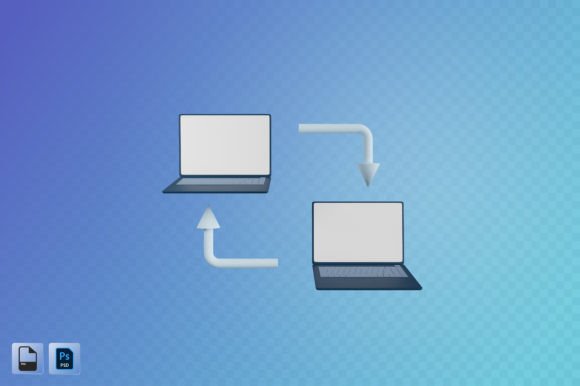
As the digital landscape continues to evolve, visual content plays a crucial role in capturing attention and conveying complex ideas efficiently. One such visual asset that has gained popularity across various design fields is the Laptop Data Transfer 3D Illustration. This type of illustration typically features a stylized laptop connected to data streams or cloud elements, representing the movement and exchange of information. It’s widely used in app development, UI/UX design, web design, presentations, posters, social media advertising, and by content creators who want to communicate technological concepts with clarity and creativity.
Understanding Laptop Data Transfer 3D Illustrations
A Laptop Data Transfer 3D Illustration is a high-quality graphic created using 3D modeling software. These illustrations are designed to visually represent the process of transferring data between devices, networks, or systems—often emphasizing connectivity, speed, and efficiency. The typical composition includes a modern laptop model, glowing lines or nodes symbolizing data flow, and sometimes abstract representations of servers, clouds, or network hubs.
These visuals are not just aesthetically pleasing; they serve as powerful metaphors in technology-related content. Whether you're designing an infographic, creating a website banner, or preparing a marketing presentation, this illustration can help simplify technical processes for your audience.
Why You Might Be Interested in This Illustration
- Design Flexibility: With access to both PSD and PNG file formats, designers have the freedom to edit layers, adjust colors, or integrate the image into other design components seamlessly.
- High Resolution: At 3000x3000 pixels, these illustrations are suitable for print and digital use without compromising quality.
- Versatility Across Platforms: From mobile apps to large-format posters, the illustration adapts well to different mediums and resolutions.
- Visual Storytelling: It helps explain abstract concepts like data migration, cloud computing, or online backups in an engaging and accessible way.
Benefits of Using a Laptop Data Transfer 3D Illustration
The primary benefit of incorporating a Laptop Data Transfer 3D Illustration into your project lies in its ability to communicate complex ideas quickly. Here are some key advantages:
- Enhanced User Experience: In UI/UX design, clear visuals reduce cognitive load, helping users understand what actions they can take or what the system is doing behind the scenes.
- Professional Appearance: High-resolution 3D graphics add a polished look to websites, presentations, and promotional materials, reinforcing credibility and modernity.
- Time Efficiency: Rather than commissioning custom 3D work, using pre-made illustrations saves time and resources while maintaining quality.
- Scalability: Whether you need a background element or a focal point, these illustrations can be scaled up or down without losing detail.
Tradeoffs and Considerations
While there are many benefits to using a 3D illustration, it's important to weigh them against potential tradeoffs:
- File Size: High-resolution PSD files can be large, which may affect performance if used on mobile-friendly sites or apps. Optimize accordingly.
- Context Relevance: Ensure the illustration aligns with your message. For example, if your focus is on hardware rather than data transfer, this might not be the most appropriate visual choice.
- Customization Limits: While editable in PSD format, the level of customization may depend on how the illustration was originally built. Some assets offer more flexibility than others.
- Cost vs. Value: Although many free and paid options exist, evaluate whether the illustration provides enough value to justify its cost based on your project scope and budget.
Situations Where It Fits Best
A Laptop Data Transfer 3D Illustration is particularly effective in the following scenarios:
- App and Web Design: When showcasing features related to syncing, cloud storage, or online collaboration tools.
- Marketing Presentations: To highlight product capabilities in tech-driven services or SaaS platforms.
- Social Media Advertising: As a compelling visual in campaigns promoting data security, fast internet speeds, or digital transformation solutions.
- Content Creation: For bloggers, YouTubers, or educators discussing topics like remote work, e-learning, or IT infrastructure.
When Alternatives May Be More Suitable
Despite its usefulness, there are situations where other visual types might better meet your needs:
- Minimalist Designs: If your brand or platform emphasizes simplicity and clean aesthetics, a flat vector or line art icon could be more appropriate.
- Budget Constraints: Free stock images or icons from reputable sources might suffice for basic projects without the need for high-end 3D visuals.
- Specific Industry Needs: Certain industries may require highly specialized graphics that generic 3D illustrations don’t cover, such as industrial IoT or cybersecurity.
- Motion Graphics: For explainer videos or interactive applications, animated versions of the concept may provide greater engagement.
How to Choose the Right Illustration for Your Project
Selecting the right Laptop Data Transfer 3D Illustration requires careful evaluation of your specific requirements. Consider the following insights when making your decision:
- Define the Purpose: Are you trying to show data being sent, stored, or received? Different variations of the illustration emphasize different aspects.
- Check Licensing Terms: Ensure the illustration is properly licensed for commercial use if needed. Many free assets come with restrictions.
- Match Brand Style: Does the illustration fit your color scheme and design language? Customizable assets allow you to align them with your branding guidelines.
- Evaluate File Formats: If layer editing is essential, choose the PSD version. For quick integration into designs, PNGs are often sufficient.
- Consider Target Audience: Use more realistic styles for professional audiences and stylized or cartoonish versions for younger or general audiences.
Expectations and Best Practices
When using a Laptop Data Transfer 3D Illustration, set realistic expectations about its capabilities and limitations. Here’s what to keep in mind:
- Quality Over Quantity: A single high-quality illustration can outperform multiple low-quality ones in terms of impact and professionalism.
- Consistency in Projects: If you plan to use several illustrations, ensure they match in style, lighting, and perspective to maintain visual harmony.
- Optimize for Performance: Compress PNGs for web use and convert PSDs to final formats before deployment to avoid slow loading times.
- Test in Context: Always preview the illustration within the intended layout to check how it interacts with text, buttons, and other design elements.
Final Thoughts
The Laptop Data Transfer 3D Illustration is a valuable tool for anyone involved in digital design or content creation. Its blend of technical accuracy and artistic appeal makes it a strong candidate for explaining data-centric processes in an intuitive manner. However, it’s not a one-size-fits-all solution. Evaluate your project goals, audience preferences, and technical constraints before deciding if this illustration is the best fit for your needs.
By understanding the strengths and limitations of 3D illustrations, you can make informed decisions that enhance your communication and design outcomes. Whether you’re building a new app interface, crafting a social media ad, or presenting a tech solution, the right visual support can significantly improve your message’s effectiveness.