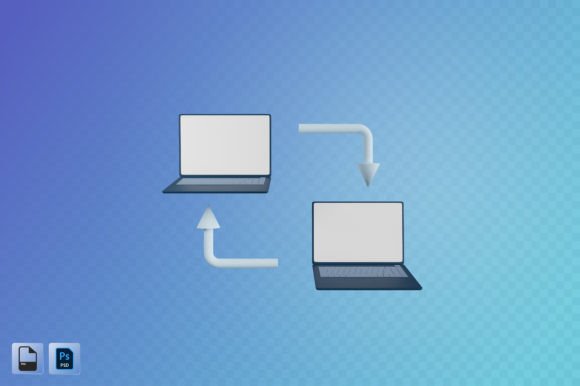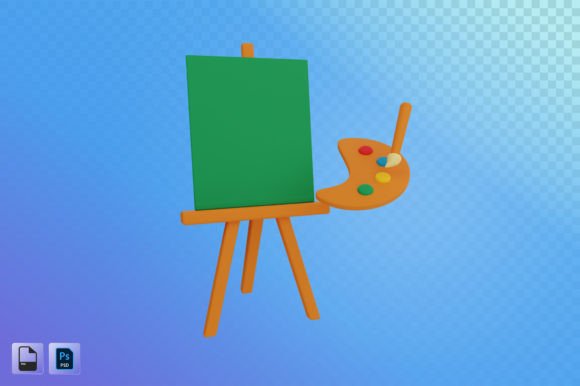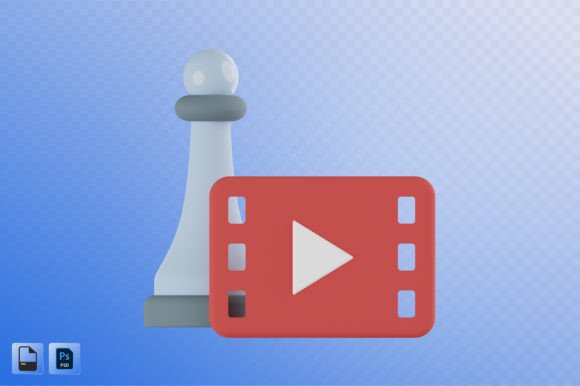
Content Strategy 3D Illustration: A Practical Guide for Designers and Marketers
Content Strategy 3D Illustration is a powerful tool that brings visual storytelling to life across various platforms like apps, UI design, web design, presentations, posters, and social media advertising. These illustrations are not just eye-catching; they help communicate complex ideas in an engaging and accessible way. With high-resolution files (typically 3000x3000 px) and the flexibility of formats such as PSD and PNG, Content Strategy 3D Illustrations offer designers and content creators a robust resource to enhance their projects.
Why Use Content Strategy 3D Illustration?
In today’s digital landscape, visuals play a crucial role in capturing attention and delivering messages effectively. Whether you're designing a mobile app or creating a marketing campaign, using 3D illustrations can elevate your content's quality and impact. They add depth, realism, and creativity—helping your audience connect with your brand or message on a more intuitive level.
These illustrations are particularly useful when:
- You need to visualize abstract concepts in a concrete way.
- Your project requires a modern and professional aesthetic.
- You want to stand out from competitors who rely solely on flat images or stock photos.
Common Mistakes When Choosing and Using 3D Illustrations
Despite their benefits, many people make avoidable errors when selecting and applying 3D illustrations. These mistakes can affect how well your content resonates with your audience and may even hinder usability or communication.
Misalignment with Brand Identity
A common pitfall is choosing 3D illustrations that don’t match your brand's tone, style, or values. For example, a tech startup might go for sleek, minimalist designs, while a children's toy company would benefit from playful and colorful visuals. If the illustration feels disconnected from your brand voice, it could confuse your audience and dilute your message.
Better approach: Always align the style, color palette, and subject matter of your 3D illustrations with your brand identity. Review your existing assets and consider what makes them recognizable before finalizing any new artwork.
Overlooking File Formats and Quality
High-resolution 3D illustrations are valuable, but only if they’re used correctly. Many users download 3D graphics without checking the file format, leading to issues during editing or scaling. For instance, using a low-quality PNG in print might result in pixelation, while a PSD file without proper layers could limit your ability to customize the image later.
TIP: Before downloading or purchasing Content Strategy 3D Illustration, confirm that the resolution meets your needs and that you receive editable formats like PSD if customization is part of your workflow.
Ignoring Context and Purpose
3D illustrations are versatile, but they aren't always the best choice. One mistake is using them in situations where simpler visuals would be more effective. For example, a data-heavy presentation might become visually cluttered if every point is accompanied by a detailed 3D graphic.
Solution: Evaluate the purpose of each illustration. Ask yourself: Does this enhance understanding? Will it distract or confuse the viewer? Tailor the use of 3D illustrations to fit specific goals, whether it’s guiding user navigation in an app or making a product stand out in an ad.
Not Checking Licensing Terms
Another overlooked detail is the licensing agreement that comes with the illustration. Some free 3D illustration resources have restrictions on commercial use or require attribution. Failing to review these terms can lead to legal complications down the line, especially if the illustration appears in paid campaigns or client work.
Example: You find a great 3D character illustration for a social media post and use it without realizing it can’t be used for profit. Later, when you launch a paid campaign using the same image, you face potential copyright claims.
How to avoid it: Always read the licensing details carefully. If you're unsure, consult with a legal expert or opt for premium libraries that offer clear, royalty-free usage rights.
Best Practices for Applying Content Strategy 3D Illustration
To get the most value from 3D illustrations, it’s important to implement them strategically. Here are some practical tips to ensure they serve your goals effectively:
Use Them for Storytelling
3D illustrations can guide your audience through a narrative. In UI design, for example, a series of illustrated scenes can demonstrate how a feature works step-by-step. This method reduces the need for lengthy text and makes the experience more immersive.
Real-world example: An educational app uses animated 3D illustrations to explain scientific processes. Instead of static diagrams, the visuals show how molecules interact in real-time, making learning more interactive and memorable.
Optimize for Different Platforms
One of the strengths of 3D illustrations is their adaptability. However, not all platforms handle large image sizes equally. Social media platforms often compress images automatically, which can reduce quality if the original isn’t high enough. Similarly, using a full-size 3000x3000 px image on a website might slow down loading times.
What to do: Optimize the illustration size for each platform. Keep the original high-res file for print or future edits, but resize appropriately for web use. Tools like Photoshop allow you to export multiple versions quickly and efficiently.
Ensure Scalability and Flexibility
Receiving both PSD and PNG files gives you more control over the illustration. The PSD version allows for layer adjustments, color changes, or repositioning elements, while the PNG provides a ready-to-use transparent background version. Ignoring the PSD can mean missing out on customization opportunities that could save time and money in the long run.
Pro tip: Always request the PSD file if you plan to modify the illustration in any way. It empowers you to tweak the design without needing to go back to the source or hire a designer for minor changes.
Things to Check Before Finalizing a Purchase or Download
Before investing in or downloading a Content Strategy 3D Illustration, there are several key factors to consider:
- Resolution: Confirm that the illustration is at least 3000x3000 px to meet professional standards for both digital and print use.
- File Format: Make sure you receive both PSD and PNG files if customization is needed. Avoid formats that lock you into a fixed layout.
- Licensing: Understand whether the illustration is royalty-free, commercial-use permitted, or if attribution is required. Some libraries provide clear previews of license types.
- Style Consistency: Compare the illustration with your current branding materials. Choose ones that complement your existing design language rather than clash with it.
- Technical Compatibility: Ensure the illustration works well within your software or platform. Not all PSDs are created equal—some might use advanced features incompatible with older versions of Adobe Photoshop.
Comparing Free vs. Premium 3D Illustrations
Many creators and marketers look for cost-effective solutions and turn to free 3D illustration resources. While these can be tempting, they often come with hidden costs in terms of quality, customization options, and licensing limitations. On the other hand, premium illustrations typically offer higher quality, better support, and more flexible usage rights.
Free illustration drawbacks:
- Low resolution or compressed files.
- No access to layered PSD files.
- Unclear or restrictive licensing terms.
- Potential lack of uniqueness—commonly used by others online.
Premium illustration benefits:
- High-resolution 3000x3000 px files for clarity and scalability.
- Editable PSD layers for personalization.
- Clean PNGs with transparent backgrounds for easy integration.
- Royalty-free licenses for peace of mind.
Learning Resources and Tips for Beginners
If you're new to working with 3D illustrations, the learning curve might seem steep. However, with the right resources and mindset, you can integrate them smoothly into your projects. Start by familiarizing yourself with basic design principles and tools like Adobe Photoshop or Blender if you plan to edit or create your own illustrations.
There are also many online courses and tutorials that focus specifically on using 3D illustrations in different contexts—UI/UX, web design, marketing, etc. Look for beginner-friendly guides that walk you through importing, resizing, and adjusting illustrations to suit your needs.
Additionally, building a small library of trusted 3D illustration sources can streamline your workflow. Popular marketplaces like Envato Elements, Adobe Stock, and Creative Market offer curated collections of Content Strategy 3D Illustrations that are vetted for quality and usability.
Real-World Applications of 3D Illustrations
Let’s take a look at how Content Strategy 3D Illustration can be applied in various fields:
App and UI Design
3D illustrations are increasingly used in mobile and web interfaces to add personality and guide user interaction. For instance, a fitness app might use a 3D avatar to demonstrate exercises, making the interface more intuitive and appealing.
Presentations and Posters
When presenting information, 3D illustrations can break up dense text and highlight key points. In academic or corporate settings, they can simplify complex topics and improve engagement. Just remember to balance visual appeal with readability—don’t let the art overshadow the message.
Social Media Advertising
For marketers, 3D illustrations are a dynamic way to catch attention in crowded feeds. They can showcase products creatively or illustrate customer journeys in a compelling format. Always test how they perform on different devices and screen sizes to maintain visual integrity.
Final Thoughts
Content Strategy 3D Illustration is more than just a design element—it's a strategic asset that can influence user experience, brand perception, and overall project success. By avoiding common pitfalls and making informed choices, you can leverage these illustrations to create content that’s both beautiful and functional.
Remember to always check the resolution, file formats, licensing, and relevance to your project before downloading or purchasing. Invest time in understanding how these visuals will serve your goals, and you’ll see a noticeable improvement in your creative output and audience engagement.