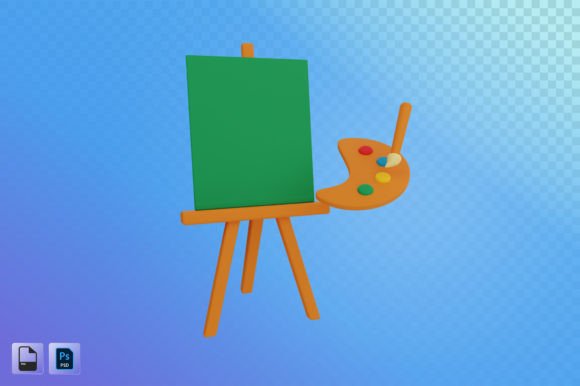
Art Class 3D Illustration: A Powerful Visual Tool for Designers and Content Creators
Art Class 3D Illustration is a digital asset that brings creativity and clarity to modern design projects. It’s more than just a pretty image—it's a versatile tool used across industries to communicate ideas, enhance user experiences, and elevate visual storytelling. Whether you're designing an app, crafting a website, or creating social media content, these illustrations can make a significant difference in how your message is perceived.
Why Use Art Class 3D Illustration?
In today’s fast-paced digital world, visuals are often the first point of contact between a brand and its audience. That’s where Art Class 3D Illustration shines. These high-resolution images (typically 2000x2000 px) offer crisp detail and vibrant colors, making them ideal for use in both digital and print formats. They’re usually delivered as PSD and PNG files, giving designers full control over layers and transparency for seamless integration into their projects.
Real-World Applications Across Industries
- App Development: UI/UX designers rely on 3D illustrations to visualize features before they’re built. For instance, when illustrating a fitness app, a stylized 3D figure working out or a futuristic smartwatch can help developers and stakeholders align on the product vision.
- Web Design: Websites benefit from 3D illustration by adding depth and personality. A landing page for a tech startup might include a sleek 3D graphic of a cloud server or a smartphone interface to highlight innovation and ease of use.
- Presentations: In business settings, presentations with flat diagrams or text-heavy slides can struggle to engage audiences. Art Class 3D Illustration helps break up monotony and adds a professional, polished look. Imagine using a 3D illustration of a team collaborating in a virtual workspace to explain your company’s remote work strategy—visuals speak louder than words here.
- Poster Design: Print materials like posters need to grab attention instantly. A 3D illustration of a product or concept can create a focal point that draws viewers in. For example, a poster promoting a new line of eco-friendly products could feature a vivid 3D scene showing nature thriving around human-made objects.
- Social Media Advertising: Platforms like Instagram, Facebook, and LinkedIn thrive on eye-catching visuals. A well-crafted 3D illustration can set your ad apart from competitors. Consider a lifestyle brand using a stylized 3D character relaxing with their product to evoke a sense of comfort and community.
- Content Creation: Bloggers, YouTubers, and influencers use 3D illustrations to simplify complex topics. A finance blog might use a 3D pie chart to explain investment diversification, while a health influencer could show a detailed 3D model of the human body to discuss wellness tips.
Who Benefits Most from Art Class 3D Illustration?
Art Class 3D Illustration isn’t limited to one specific role or industry. Its value lies in its adaptability. Here’s a closer look at who uses it and why:
Designers and Developers
For those in UI/UX or web development, 3D illustrations serve as placeholders or final assets depending on the project. Because they come in editable PSD format, you can tweak colors, lighting, or even reposition elements without starting from scratch. This flexibility saves time and ensures the illustration fits perfectly within your design framework.
Marketing Teams
Marketing professionals love 3D illustrations because they add a layer of sophistication to campaigns. From email headers to carousel ads, these visuals can be scaled and adapted across multiple channels. The ability to maintain brand consistency while still delivering dynamic imagery makes them a favorite among marketers looking to stand out.
Freelance Creatives and Agencies
Freelancers and creative agencies often work under tight deadlines and need resources that are ready to go. With pre-made 3D illustrations, they can quickly assemble mockups, proposals, or client presentations. Delivering high-quality visuals fast builds trust and improves workflow efficiency.
Educational Institutions and E-Learning Platforms
When explaining abstract or technical subjects, 3D illustrations help students visualize concepts. An online course about architecture could use 3D models of famous buildings to give learners a better understanding of structure and design. Similarly, science educators might use 3D visuals to demonstrate biological processes in a more engaging way.
Key Scenarios Where Art Class 3D Illustration Excels
- Product Launches: When launching a new product, especially in tech or fashion, a 3D illustration can showcase the item from all angles. No need for a photo shoot; just render the product in a variety of scenes to highlight its features.
- User Interface Mockups: Before coding begins, UI designers use 3D illustrations to present interactive elements. Think of a shopping app prototype with a 3D illustration of a checkout process or a banking app featuring a 3D wallet icon.
- Infographics and Data Visualization: Complex data becomes easier to digest when paired with 3D visuals. A marketing report could use a 3D bar graph to compare sales figures across regions, making the information more relatable and visually appealing.
- Brand Storytelling: Companies often tell stories through visuals. A 3D illustration of a customer journey—starting with a problem and ending with a solution—can be a powerful narrative device in branding materials or case studies.
- Virtual Events and Webinars: Backgrounds and banners for live streams or recorded videos can be enhanced with 3D illustrations. A webinar on digital marketing might use a 3D illustration of a growing plant to symbolize growth and success.
What to Consider Before Using 3D Illustrations
While 3D illustrations are incredibly useful, they aren't always the best fit. Here are some considerations to keep in mind before choosing Art Class 3D Illustration for your next project:
- Project Requirements: If your project needs ultra-realistic photography or intricate textures beyond what a 3D illustration can provide, consider whether this resource will meet your expectations.
- Style Consistency: Make sure the illustration style matches your existing design language. Mismatched visuals can confuse users or dilute your brand identity.
- File Compatibility: While most modern tools support PSD and PNG formats, double-check if your software stack includes compatible editors or if any conversion is needed.
- Resolution Needs: At 2000x2000 pixels, Art Class 3D Illustration is suitable for most applications, but if you need something larger for billboards or large-format prints, confirm if higher resolutions are available.
- Use Case Specificity: Generic illustrations may not resonate if your target audience expects tailored visuals. Always evaluate whether the illustration addresses the unique needs of your users or clients.
Strengths and Limitations of 3D Illustrations
Like any design tool, Art Class 3D Illustration has its pros and cons. Let’s explore both so you can decide if it’s right for your needs.
Strengths
- High Quality: The 2000x2000 resolution ensures sharp details, which is essential for professional-grade outputs.
- Customizability: With PSD files, you have access to layers, allowing you to adjust colors, backgrounds, or components without needing advanced 3D modeling skills.
- Time Efficiency: Pre-made illustrations eliminate the need to commission custom artwork, speeding up the design process significantly.
- Cross-Platform Versatility: These illustrations work equally well on mobile apps, websites, and social platforms, adapting to different screen sizes and resolutions.
Potential Limitations
- Limited Realism: Depending on the style, 3D illustrations may lack the photorealistic quality of actual photographs, which could be a drawback for certain product showcases.
- Learning Curve for Editing: While the PSD format is editable, some users may find it challenging to modify 3D elements without basic knowledge of Photoshop or similar tools.
- Cost and Licensing: Some high-quality 3D illustrations require proper licensing. Be sure to check usage rights, especially if you plan to sell a product or service incorporating the illustration.
How to Choose the Right 3D Illustration for Your Project
Selecting the perfect illustration starts with understanding your project goals and audience. Ask yourself:
- What emotion do I want to convey? Is it excitement, professionalism, or simplicity?
- Does the illustration align with my brand’s color palette and tone?
- Will it scale well across different devices and formats?
- Can it be customized easily without compromising quality?
Once you have answers to these questions, you’ll know exactly what kind of 3D illustration to look for. For example, a minimalist lifestyle blog would benefit from clean, soft-edged illustrations, while a gaming app might prefer bold, animated-style visuals.
Putting It All Together: Practical Examples
To bring things into perspective, let’s walk through a few scenarios:
- Scenario 1: A startup building a productivity app needs a hero image for their homepage. They choose an Art Class 3D Illustration of a person using a tablet surrounded by floating icons representing tasks, calendars, and notes. The image conveys efficiency and modernity, aligning with their brand voice.
- Scenario 2: A freelance designer is preparing a portfolio presentation for a client. She uses a 3D illustration of a creative brainstorming session to introduce her design process. The illustration is subtle yet impactful, helping the client understand her approach without words.
- Scenario 3: A content creator is planning a YouTube video on sustainable living. He incorporates a 3D illustration of a house powered entirely by solar energy to emphasize eco-friendliness. The visual is clear, informative, and memorable.
These examples show how Art Class 3D Illustration can be used effectively to support communication and enhance design outcomes in real-world situations.
Beyond the Basics: Advanced Uses
If you're comfortable with more hands-on editing, the PSD file format opens up opportunities for customization. You can:
- Adjust individual lighting effects or shadows.
- Change background colors or gradients to match your theme.
- Add text overlays or call-to-action buttons directly onto the illustration.
- Blend multiple illustrations together to create a composite image for a poster or banner.
This level of control is rare in stock photos and makes Art Class 3D Illustration a standout choice for designers who want something adaptable and original-looking without investing in custom art.
Final Thoughts
Art Class 3D Illustration is more than a design trend—it’s a practical solution for creators and businesses aiming to communicate clearly and stylishly. From enhancing app interfaces to supporting marketing campaigns, its benefits span across roles and industries. By understanding how to use it effectively and being mindful of its limitations, you can unlock new ways to express your ideas and connect with your audience.