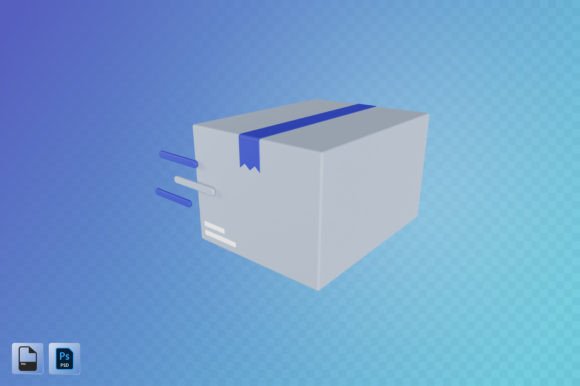
Shipping 3D Illustration: A Powerful Visual Tool for Designers and Creators
In today’s digital-first world, visuals play a crucial role in capturing attention and conveying messages effectively. One of the most versatile tools available to designers, content creators, and businesses is the shipping 3D illustration. These illustrations are not only visually appealing but also highly functional across various platforms and industries. Whether you're working on an app interface, designing a website, preparing a presentation, or creating social media content, a shipping 3D illustration can bring your project to life with depth, realism, and creativity.
What Is a Shipping 3D Illustration?
A shipping 3D illustration is a digital artwork created using 3D modeling software. It depicts elements related to shipping—such as containers, ships, cargo, logistics hubs, or delivery trucks—in a three-dimensional format. Unlike traditional 2D graphics, these illustrations offer a more immersive experience by simulating light, texture, and perspective in a realistic way.
The result is an image that feels tangible and dynamic, making it ideal for modern design projects where visual impact matters. These illustrations are often delivered in high-resolution formats like PSD and PNG, ensuring they look sharp and professional no matter how they’re used.
Key Features of Shipping 3D Illustrations
- High Resolution (2000x2000 px): This ensures the illustration maintains clarity even when scaled up or printed at large sizes.
- Multiple File Formats: Receiving both PSD and PNG files gives users flexibility in editing and applying the illustration to different contexts.
- Customizable Elements: Most 3D illustrations allow for color changes, lighting adjustments, and layer edits, giving designers full control over the final output.
- Realistic Detailing: From the subtle textures of metal surfaces to the reflections on glass, every detail is crafted to mimic real-world objects.
Who Can Benefit from Using Shipping 3D Illustrations?
Shipping 3D illustrations are valuable assets for a wide range of professionals and industries. Here's a closer look at who can make the most out of them:
Designers and UI/UX Professionals
UI and UX designers use 3D illustrations to enhance the visual hierarchy and user engagement of their interfaces. A well-designed shipping 3D illustration can be used to represent product delivery features in e-commerce apps or to add a touch of realism to abstract concepts in web design.
Content Creators and Marketers
For content creators, especially those in the logistics, transportation, or retail sectors, shipping 3D illustrations provide a compelling way to visualize processes or products without the need for expensive photography. They are perfect for social media advertising, blog posts, infographics, and promotional materials.
Presenters and Educators
Whether you're presenting a business plan or teaching a lesson about global trade, including a shipping 3D illustration can help simplify complex ideas and keep your audience engaged. The visual nature of 3D art makes it easier to explain spatial relationships, workflows, and timelines.
Business Owners and Entrepreneurs
Business owners looking to create posters, banners, or marketing collateral will find these illustrations invaluable. They help establish a professional and polished brand image while clearly communicating key aspects of the business, such as shipping capabilities or supply chain operations.
Where Are Shipping 3D Illustrations Used?
These illustrations have become a staple in many creative fields due to their adaptability and aesthetic appeal. Some of the most common applications include:
- App and Web Design: To illustrate features related to shipping, tracking, or logistics in a clean and engaging manner.
- Social Media Advertising: As eye-catching visuals that highlight shipping services, speed, or reliability.
- Presentations and Reports: To break up text-heavy slides and provide a visual aid for explaining complex topics.
- Printed Materials: In posters, brochures, and flyers where high-quality imagery is essential.
- Product Packaging and Branding: For companies involved in shipping or delivery services, using 3D illustrations helps reinforce brand identity and messaging.
Strengths of Shipping 3D Illustrations
There are several advantages to incorporating shipping 3D illustrations into your work:
- Visual Realism: These illustrations can closely resemble real-life objects, offering a level of detail that static images cannot achieve.
- Adaptability: With editable layers in PSD format, designers can tailor the illustration to match branding guidelines or specific design needs.
- Time Efficiency: Instead of commissioning custom 3D models, using pre-made illustrations saves time while still delivering professional results.
- Cost-Effectiveness: Compared to live-action photography or custom 3D rendering, ready-to-use illustrations are more affordable and accessible.
- Consistency Across Platforms: The same illustration can be used in multiple contexts—from digital ads to print materials—without losing quality or style.
Considerations and Limitations
While shipping 3D illustrations are incredibly useful, there are some things to keep in mind before using them:
Firstly, the quality of the source file is important. Always ensure you're working with high-resolution assets to avoid pixelation or blurriness when scaling. Secondly, while many illustrations come with editable layers, some may require advanced knowledge of graphic design software like Adobe Photoshop or Illustrator to modify effectively.
Additionally, it's essential to consider the context and purpose of your design. A detailed 3D illustration might not be suitable for minimalist layouts or low-bandwidth environments. In such cases, simplifying the design or using vector-based versions could be more appropriate.
Practical Applications in Real Life
To better understand how shipping 3D illustrations can be applied, let’s explore a few real-world examples:
Example 1: E-Commerce App Onboarding
An online retailer wants to show customers how fast their orders will arrive. Instead of using stock photos, they integrate a shipping 3D illustration of a delivery truck arriving at a doorstep. This not only grabs attention but also clearly communicates the service's benefits in a visual way.
Example 2: Logistics Company Website
A logistics firm uses a series of shipping 3D illustrations to showcase its fleet of container ships and cargo planes. These visuals are layered into the site’s homepage and service pages, helping potential clients quickly grasp the company’s capabilities and global reach.
Example 3: Infographic for Industry Report
A market analyst creates an infographic for a report on international trade. By embedding a shipping 3D illustration of a port with loading cranes and cargo ships, the analyst adds a dynamic element that makes the data more relatable and easier to digest.
Evaluating Suitability for Your Projects
Before choosing a shipping 3D illustration for your project, ask yourself the following questions:
- Does the illustration align with the theme or message of my design?
- Will it stand out or blend in naturally with the rest of the content?
- Is the resolution sufficient for my intended use (e.g., print, web, mobile)?
- Can I easily edit or customize the illustration if needed?
- Am I able to access the necessary file types (like PSD) to maintain flexibility?
Answering these questions can help you determine whether a shipping 3D illustration is the right choice for your next design project. Remember, the goal is to enhance the user experience and communicate information clearly—not just to add flashy graphics.
How to Choose the Right Shipping 3D Illustration
With so many options available, selecting the best shipping 3D illustration for your needs requires careful consideration. Here are some tips to guide your decision:
Define Your Purpose
Are you trying to depict a specific type of shipping method? Do you need something symbolic or literal? Clarify what you want the illustration to convey before browsing through options.
Check the Resolution and File Format
Look for illustrations that offer high-resolution downloads (at least 2000x2000 px) and multiple file formats like PSD and PNG. This ensures compatibility with your design workflow and end-use scenarios.
Assess Customization Options
If you anticipate needing to tweak colors, backgrounds, or other details, choose an illustration that allows for easy customization. This can save hours of rework and help you maintain creative control.
Review Licensing Terms
Always verify the licensing agreement before downloading any asset. Ensure it permits the usage rights you need—especially if the illustration will be used commercially or across multiple platforms.
Conclusion
Shipping 3D illustrations are more than just artistic representations—they are strategic design elements that enhance communication, engagement, and professionalism in a variety of settings. Whether you're a designer, marketer, educator, or entrepreneur, these visuals can elevate your work and help you connect with your audience in a meaningful way.
By understanding the purpose, features, and limitations of shipping 3D illustrations, you can make informed decisions about when and how to use them. With the right illustration in hand—complete with high resolution, editable layers, and diverse file formats—you'll be equipped to create impactful designs that resonate with users and support your goals.