Shopping Cart 3D Illustration: A Versatile Design Tool for Modern Projects
As the digital landscape continues to evolve, so do the tools and resources that designers, developers, and content creators rely on. One such tool gaining traction across multiple industries is the Shopping Cart 3D Illustration. This type of illustration offers a dynamic and realistic visual representation of an online shopping cart, making it a valuable asset in UI/UX design, app development, web projects, presentations, posters, and social media advertising.
What Is a Shopping Cart 3D Illustration?
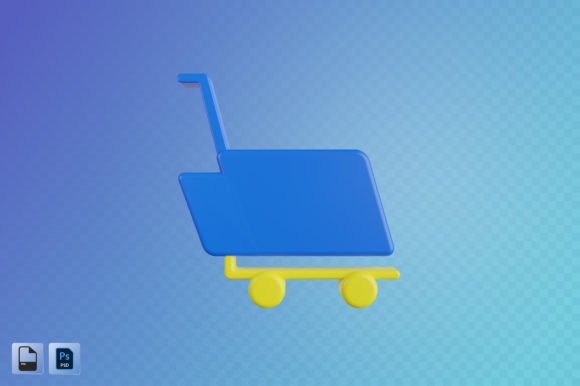
A Shopping Cart 3D Illustration is a high-quality, three-dimensional graphic that visually depicts a digital shopping cart. It is commonly used in e-commerce platforms, mobile apps, and marketing materials to represent the functionality of adding, removing, or purchasing items. Unlike flat or vector-based designs, 3D illustrations provide depth, texture, and a more immersive visual experience, which can significantly enhance user engagement and understanding.
Common Challenges in Visualizing E-Commerce Concepts
Designing digital experiences often requires conveying complex ideas through simple visuals. When it comes to e-commerce, one of the biggest challenges is how to effectively represent the shopping process without being too literal or generic. Traditional icons may lack the detail needed to communicate the full scope of features like item selection, quantity adjustments, or checkout processes. That’s where a Shopping Cart 3D Illustration becomes essential—it bridges the gap between abstract concepts and tangible visuals.
Why Use a Shopping Cart 3D Illustration in Your Work?
Whether you're building a website, designing an app interface, or creating promotional content, a Shopping Cart 3D Illustration can serve several key purposes:
- Clarity and context: It clearly shows what a shopping cart looks like, helping users understand its function at a glance.
- Visual appeal: The 3D format adds a layer of realism and sophistication, making your design stand out.
- Flexibility: With options like PSD and PNG files, it integrates seamlessly into various design workflows.
- High resolution: At 2000x2000 px, the illustration maintains quality even when scaled up for use in large formats like posters or banners.
Practical Applications Across Industries
The versatility of a Shopping Cart 3D Illustration means it can be applied in numerous ways depending on the project's needs. Here are some common applications:
UI and Web Design
In UI design, especially for e-commerce websites, the illustration helps designers showcase the shopping cart feature in a more engaging way. Whether you’re presenting a wireframe or a polished mockup, including a 3D illustration gives stakeholders a clear idea of how the final product will look and function.
App Development
Mobile apps also benefit from using a Shopping Cart 3D Illustration during the prototyping phase. It allows developers and designers to visualize how users interact with the cart—especially important when considering touch-based navigation and responsive layouts.
Presentation and Poster Design
When presenting a business idea or launching a new e-commerce platform, having a realistic 3D illustration of a shopping cart can make a significant difference. It adds a professional touch to slides, infographics, and printed posters, making the concept easier to grasp for audiences unfamiliar with technical jargon.
Social Media Advertising
For content creators and marketers, a Shopping Cart 3D Illustration is a powerful visual element in social media campaigns. It can be used in ads to highlight features like fast checkout, secure payment, or exclusive deals. Because it's scalable and available in multiple file formats, it works well across platforms like Instagram, Facebook, or LinkedIn.
How Different Users Can Leverage the Illustration
Depending on your role or project, you might approach the use of a Shopping Cart 3D Illustration differently:
For Designers and Developers
Integrate the illustration into your design systems or UI kits to maintain consistency. You can customize the colors, add brand elements, or animate parts of the cart to reflect different states—like empty, partially filled, or completed. The PSD format allows for easy editing and layer manipulation, giving you full creative control.
For Marketers and Advertisers
Use the illustration as part of your storytelling. Pair it with copy about convenience, speed, or security to reinforce your message. In video ads, you can animate the cart to demonstrate how it works, enhancing the viewer's comprehension of your service or product.
For Content Creators and Educators
Include the illustration in tutorials, blog posts, or educational videos to explain e-commerce workflows. Its realistic nature makes it ideal for demonstrating best practices in UX design or teaching students about digital commerce components.
Recommendations for Effective Use
To get the most value from a Shopping Cart 3D Illustration, consider these tips:
- Match the tone of your brand: Adjust the color palette and style of the illustration to align with your brand identity. This ensures it feels cohesive within your existing design language.
- Highlight key interactions: If you're showcasing a cart in action, focus on elements like the “Add to Cart” button, the total price display, or the checkout flow. These details help users understand the functionality better.
- Use it sparingly but strategically: While 3D illustrations are eye-catching, overuse can clutter your design. Place them where they’ll have the most impact, such as on landing pages or hero sections.
- Optimize for performance: If using the illustration on a website or app, ensure it’s optimized for load times. PNG files offer transparency and clarity, while JPEGs can reduce file size if needed.
Useful Considerations Before Implementation
Before incorporating a Shopping Cart 3D Illustration into your work, there are a few things to keep in mind:
- Resolution and file format: Confirm that the illustration meets your project’s requirements. High-resolution (2000x2000 px) images are perfect for print or high-definition screens.
- Licensing: Make sure you have the appropriate rights to use the illustration in your intended context. Some files may require attribution or come with specific usage restrictions.
- Platform compatibility: Check whether the illustration works well on both desktop and mobile interfaces. Responsive design is crucial for maintaining usability across devices.
- Cultural relevance: Ensure the illustration doesn’t include any culturally sensitive symbols or text that could be misinterpreted in your target market.
Real-World Examples of Success
Many successful brands and startups have used Shopping Cart 3D Illustrations to improve their user experience and marketing outcomes. For instance, a SaaS company selling e-commerce tools included a detailed 3D illustration in their onboarding tutorial, which helped users quickly grasp how the cart integration would work. Similarly, a digital agency used the same illustration in a client pitch deck to visually demonstrate the benefits of a streamlined checkout process, resulting in faster approval and implementation.
Getting Started with a Shopping Cart 3D Illustration
If you're ready to bring a Shopping Cart 3D Illustration into your workflow, here’s how to start:
- Search for high-quality illustrations that match your design goals. Look for ones that include transparent backgrounds (PNG) or editable layers (PSD).
- Download the illustration and import it into your preferred design software, such as Adobe Photoshop, Illustrator, or Figma.
- Customize the illustration by adjusting colors, adding product mockups inside the cart, or combining it with other assets like checkout buttons or delivery icons.
- Test the illustration in real-world scenarios—how does it look on a mobile screen? Does it convey the right message when paired with your copy?
- Get feedback from users or colleagues to refine the visual before final deployment.
Conclusion
A Shopping Cart 3D Illustration is much more than just a visual placeholder. It’s a strategic design element that can clarify functionality, enhance aesthetics, and support your messaging across a variety of platforms. By choosing a high-resolution, customizable illustration, you gain the flexibility to adapt it for almost any need—from app design to social media advertising.
With the right approach, this resource can elevate your projects and deliver clearer communication to your audience. Whether you're a designer looking to build a better UI, a marketer aiming to boost conversion rates, or an educator simplifying complex topics, a Shopping Cart 3D Illustration is a powerful tool to have in your creative arsenal.