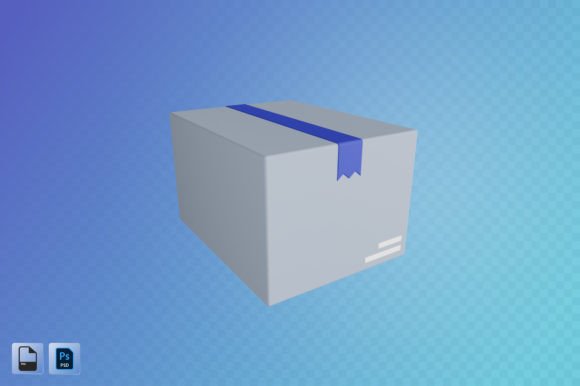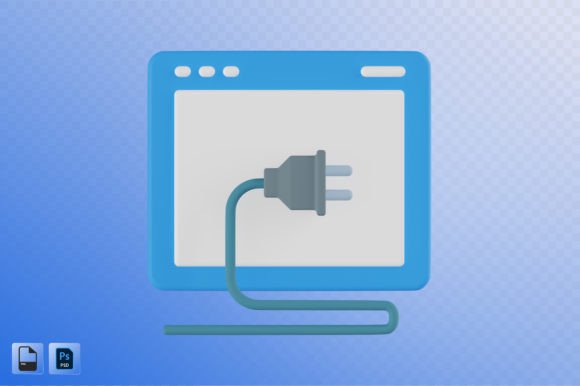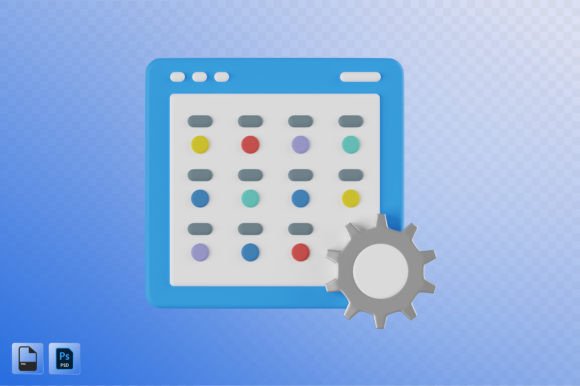
Extensions 3D Illustration: A Versatile Design Resource for Modern Projects
Extensions 3D Illustration is a design resource that provides high-quality, three-dimensional visual elements tailored for a wide range of creative applications. These illustrations are commonly delivered in formats such as PSD and PNG, with resolutions up to 3000x3000 pixels, ensuring clarity and adaptability across various platforms. Designed to meet the needs of professionals in UI/UX, web development, app design, presentations, posters, social media advertising, and content creation, these assets offer a practical solution for adding depth, realism, and visual appeal to digital projects.
Why Consider Extensions 3D Illustration?
Designers and developers often seek ways to enhance user experience and engagement through compelling visuals. 3D illustration serves as a powerful tool in this pursuit by offering more dynamic and immersive imagery than traditional 2D graphics. The use of Extensions 3D Illustration can be particularly appealing when you need to:
- Convey complex ideas or abstract concepts visually.
- Create eye-catching marketing materials for social media or print.
- Improve the aesthetic quality of app interfaces or website layouts.
- Produce engaging presentation slides that stand out from standard flat designs.
- Illustrate product features or mockups in a realistic context.
These illustrations can also help maintain a consistent visual language across different platforms, which is essential for branding and professional communication.
Benefits of Using Extensions 3D Illustration
One of the most notable advantages of Extensions 3D Illustration is its high resolution. At 3000x3000 pixels, these files provide excellent detail and scalability, making them suitable for both digital screens and high-quality prints. Additionally, the availability of both PSD and PNG formats allows for greater flexibility in editing and integration into existing design workflows.
Another benefit is their broad applicability. Whether you're designing a mobile app interface, creating promotional posters, or building an e-learning platform, these illustrations can serve as versatile components that elevate your project’s visual impact. They also tend to reduce the need for custom 3D modeling, saving time and resources during the design process.
Potential Tradeoffs and Limitations
While Extensions 3D Illustration offers many advantages, there are some limitations to consider. Pre-made 3D assets may not always align perfectly with a project’s unique style or branding. In such cases, additional customization might be necessary, which could increase the workload or require advanced design skills.
Also, depending on the source or provider, there may be restrictions on how the illustrations can be used—such as commercial vs. personal licensing. It's important to review usage rights carefully to avoid legal complications down the line.
Furthermore, while the provided file types (PSD and PNG) are widely supported, they may not suit all technical environments. For example, if you're working within a vector-based ecosystem like Adobe Illustrator or need SVG files for responsive web design, you may need to convert or rework the illustrations.
Considerations Before Selecting Extensions 3D Illustration
Before deciding to incorporate Extensions 3D Illustration into your workflow, evaluate the following factors:
- Project Scope: Determine whether the illustration will be used for a single piece or integrated across multiple platforms. High-resolution assets are ideal for large-scale use but may be overkill for small, low-detail projects.
- Customization Needs: Assess how much you’ll need to modify the illustrations. If you require significant changes in color, layout, or perspective, be prepared to invest time in post-processing or consider hiring a 3D artist for bespoke work.
- Technical Compatibility: Ensure that the file formats (PSD and PNG) are compatible with your design tools and publishing platforms. Some systems may require specific optimizations before using these assets effectively.
- Licensing Terms: Review the terms of use associated with the illustrations. Commercial use typically requires proper attribution or purchase of a license, so clarify these details before finalizing your selection.
When Extensions 3D Illustration Is a Strong Fit
Extensions 3D Illustration is particularly well-suited for projects where visual depth and realism are key. For instance, it works exceptionally well in the following scenarios:
- Creating interactive app prototypes that simulate real-world interactions.
- Enhancing web design with layered visuals that add dimensionality without overwhelming the user.
- Producing infographics or educational content that benefits from a lifelike representation of data or concepts.
- Designing posters or banners for events, products, or campaigns where attention-grabbing visuals are crucial.
- Supporting social media advertising efforts with images that stand out in crowded feeds.
In these contexts, the ability to quickly access high-quality 3D assets can streamline the design process and ensure a polished outcome without requiring extensive in-house 3D modeling capabilities.
When Alternatives Might Be Better
Despite its strengths, Extensions 3D Illustration isn't always the best choice. There are situations where alternative design methods may better serve your goals:
- If your project has strict brand guidelines or a minimalist aesthetic, 3D illustrations may feel too heavy or distracting. In such cases, flat design or line art could be more appropriate.
- For highly technical or scientific visualizations, custom 3D rendering or CAD software may offer greater precision and control.
- When working under tight deadlines or limited budgets, pre-made illustrations may not allow enough flexibility to match your vision, and outsourcing to a freelance illustrator might be more cost-effective in the long run.
Additionally, if your target audience includes users with accessibility concerns, overly complex 3D visuals could pose challenges. Simplified, two-dimensional alternatives may be more inclusive and easier to interpret at a glance.
Decision-Making Insights for Design Professionals
Choosing whether to use Extensions 3D Illustration depends largely on the specific needs of your project. Ask yourself the following questions to guide your decision:
- Do I need a quick and affordable way to add realistic visuals to my design?
- Will the illustration scale well across different devices and screen sizes?
- Is the provided format (PSD/PNG) sufficient for my current tools and requirements?
- Can I customize the illustration without compromising its quality or usability?
By answering these questions honestly, you can determine whether Extensions 3D Illustration is a good fit or if you should explore other options such as custom illustrations, stock photo collections, or vector-based icons.
Conclusion
Extensions 3D Illustration is a valuable asset for designers seeking to add realism and sophistication to their work. With its high-resolution output and compatibility with common design formats, it supports a variety of use cases—from app UI to social media advertising. However, it's essential to weigh its benefits against potential tradeoffs, such as customization limitations and licensing considerations.
Ultimately, the decision to use Extensions 3D Illustration should be based on your specific design goals, technical constraints, and the expectations of your audience. By understanding when and how to leverage this resource, you can make informed choices that enhance your creative output and align with your professional standards.