Calender 3D Illustration: A Versatile Visual Tool for Modern Design
In the fast-paced world of design, finding the right visual assets can make or break a project. One such powerful resource is the Calender 3D Illustration, which has become an essential tool for professionals and content creators alike. This article explores what a Calender 3D Illustration is, its key features, where it can be used, and how it can add value to your work.
What Is a Calender 3D Illustration?
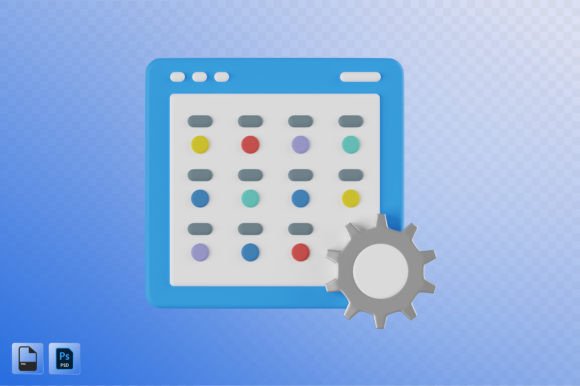
A Calender 3D Illustration is a digital representation of a calendar in three dimensions. It combines artistic design with realistic depth and perspective, making it ideal for use in presentations, app interfaces, websites, and promotional materials. Unlike flat images, 3D illustrations give a sense of realism that can enhance user engagement and visual appeal.
This type of illustration typically includes detailed textures, lighting effects, and shadows that simulate real-world materials like paper, wood, or metal. The result is a visually rich graphic that stands out and adds sophistication to any design project.
Purpose and Value of Using 3D Calendar Illustrations
The primary purpose of using a Calender 3D Illustration is to convey time-related information in a more engaging and aesthetically pleasing manner. Whether you're designing a productivity app, creating a marketing poster, or enhancing a website’s UI, these illustrations help communicate concepts clearly while maintaining a modern look.
Here are some of the core values they bring:
- Visual Clarity: Time management themes become easier to grasp when presented with 3D visuals.
- Design Flexibility: These illustrations can be customized to fit various branding needs and color schemes.
- High Quality: Files are often delivered in high resolution (e.g., 2000x2000 px) and formats like PSD and PNG, ensuring crisp output across different platforms.
- Time-Saving: Ready-to-use 3D graphics reduce the need for custom artwork creation, especially for non-designers.
Features and Characteristics
Calender 3D Illustrations come with several notable features that set them apart from standard 2D images:
- Realistic Depth: With accurate lighting and shadowing, they mimic the physical appearance of calendars.
- Editable Layers: When provided as PSD files, each element of the illustration is on a separate layer, allowing for easy customization.
- Transparency Support: PNG files include transparent backgrounds, making it simple to integrate into various designs without background conflicts.
- Multiple Angles: Many illustrations offer front, side, and top views, giving designers more options depending on their layout needs.
Who Can Benefit from a Calender 3D Illustration?
While useful across many fields, certain groups particularly benefit from incorporating these illustrations into their projects:
- UI/UX Designers: They use 3D calendars in app interfaces to represent scheduling functions or date pickers in a visually appealing way.
- Graphic Designers: Ideal for adding a touch of elegance to posters, flyers, and other print or digital collateral related to events or planning tools.
- Content Creators: Bloggers, YouTubers, and social media managers often leverage 3D illustrations to create eye-catching thumbnails and headers.
- Business Owners: Especially those in industries like event planning, education, or health and wellness, who can use these visuals in marketing campaigns or product demos.
Use Cases in Different Industries
Let’s take a closer look at how this illustration can be applied in various sectors:
Education Sector: Schools and universities use 3D calendar illustrations to present academic schedules or deadlines in a clear and attractive format. For example, a course syllabus could feature a stylized 3D calendar to highlight important dates like exams or project submissions.
Healthcare Industry: Clinics and hospitals may incorporate these visuals in appointment booking systems or promotional brochures to emphasize the importance of scheduling regular check-ups or vaccinations.
Event Planning: Wedding planners or conference organizers often use 3D calendars to showcase timelines or milestones in client proposals and marketing materials.
Productivity Apps: In apps focused on task management or habit tracking, a 3D calendar can serve as a central visual component that users interact with daily, improving usability and retention.
Strengths of Calender 3D Illustrations
There are several strengths that make the Calender 3D Illustration a valuable asset in the design toolkit:
- Professional Appearance: Their polished look helps elevate the overall aesthetic of any project.
- Brand Consistency: Customizable colors and styles allow the illustration to align seamlessly with brand identity.
- Adaptability: These illustrations scale well across different screen sizes and resolutions, making them suitable for both web and mobile applications.
- Creative Freedom: With layered PSD files, designers have the flexibility to modify individual elements, such as changing the calendar theme or adding logos.
Considerations and Limitations
Despite their advantages, there are some considerations to keep in mind when working with Calender 3D Illustrations:
- File Size: High-resolution files can be large, which might affect loading times if not optimized correctly.
- Compatibility: While PNGs are widely supported, PSD files require Adobe Photoshop or similar software for full editing capabilities.
- Design Context: Not all projects will suit a 3D illustration. It's important to evaluate whether the style complements the rest of your design.
- Cost: Depending on the source, high-quality 3D illustrations may come at a price. However, the investment is often justified by the enhanced visual impact and professional finish they provide.
Practical Applications and Real-World Examples
Let’s explore a few practical examples of how the Calender 3D Illustration is being used today:
1. Mobile App Interfaces
In a popular fitness app, the home screen features a 3D calendar illustration showing completed workouts each day. This makes it easy for users to track progress and motivates them to stay consistent. The illustration’s clean lines and vibrant colors match the app’s modern theme, creating a cohesive user experience.
2. Social Media Advertising
A travel agency uses a stylized 3D calendar in their Facebook ad campaign to promote early bookings. The calendar shows upcoming holiday seasons highlighted in red, drawing attention to the limited-time offers. The 3D effect adds a dynamic feel that makes the ad stand out in crowded feeds.
3. Website Banners
An online learning platform integrates a 3D calendar illustration into their homepage banner to illustrate the start of a new course. The illustration is placed next to a call-to-action button that says “Enroll Now,” reinforcing the urgency and clarity of the message.
Evaluating Suitability for Your Project
If you’re considering using a Calender 3D Illustration, here are some tips to determine if it fits your needs:
- Define the Purpose: Are you trying to visualize a timeline, show a schedule, or just enhance the visual appeal? Clarifying your goal will help you choose the right illustration style.
- Assess the Audience: Will your audience appreciate a modern 3D look, or would a simpler 2D image be more effective? Consider user preferences and industry norms.
- Check Technical Requirements: Ensure your design software supports the file types you’ll receive, and that the illustration will render smoothly on your target platform.
- Review Licensing: Confirm that the illustration is royalty-free or properly licensed for commercial use if your project involves selling products or services.
- Test in Context: Place the illustration in your design mockup to see how it looks alongside other elements. Adjust styling or placement as needed for optimal integration.
When to Avoid Using a 3D Calendar Illustration
Although versatile, there are scenarios where a 3D illustration may not be the best choice:
- Minimalist Designs: If your project follows a clean, no-fuss aesthetic, a 3D calendar might appear too busy or distracting.
- Low-Bandwidth Environments: Large file sizes can cause delays on slower internet connections, so consider optimizing or using a lower-res version in such cases.
- Accessibility Concerns: Some users with visual impairments may struggle to interpret complex 3D visuals. Always pair them with clear text or alternative descriptions.
How to Get Started with a Calender 3D Illustration
Getting started is straightforward. First, identify where you want to use the illustration—be it in a presentation, app, or poster. Next, search for a high-quality Calender 3D Illustration that matches your project’s tone and requirements. Once you’ve selected one, download the appropriate file formats (PSD and PNG) and begin integrating it into your design workflow.
For those less familiar with design tools, most 3D illustrations come with user-friendly layers and instructions. This makes it possible to tweak the illustration even with basic knowledge of Photoshop or other editing software. Additionally, online tutorials and communities can offer guidance if you encounter challenges during the customization process.
Tips for Effective Integration
- Match Brand Colors: Adjust the illustration’s hues to reflect your brand’s color palette for a unified look.
- Use Subtle Effects: Overly dramatic lighting or textures can clash with other design elements. Aim for balance.
- Layer Smartly: If combining with other 3D elements, ensure they’re on compatible scales and perspectives.
- Optimize for Web: Compress PNG files for faster load times, especially when using them online.
Conclusion
The Calender 3D Illustration is more than just a decorative graphic—it’s a functional and adaptable design element that can improve communication, enhance aesthetics, and support user interaction. Whether you're a designer, marketer, educator, or entrepreneur, understanding how to effectively use these illustrations can open up new creative possibilities.
By carefully evaluating your project’s goals and audience, you can decide if a 3D calendar illustration is the right fit. When chosen wisely and integrated thoughtfully, it becomes a powerful ally in delivering compelling visual messages across multiple platforms.