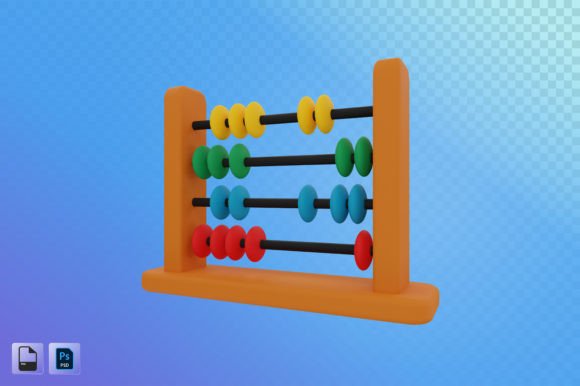
How Abacus 3D Illustration Enhances Modern Design Projects
In today’s fast-paced digital landscape, visual content is king. Whether you're crafting a user interface for an app, designing a website layout, or preparing a compelling presentation, the quality and clarity of your visuals can make or break the project's success. That’s where Abacus 3D Illustration comes into play. This powerful design tool offers high-resolution, scalable imagery that not only looks professional but also integrates seamlessly into a wide range of creative workflows.
Understanding Abacus 3D Illustration
Abacus 3D Illustration is more than just a collection of images—it's a strategic asset in modern design. The illustrations are crafted with precision using advanced 3D modeling techniques to produce realistic, stylized, or abstract visuals depending on the need. These assets come in various formats such as PSD and PNG, ensuring flexibility across different platforms and tools.
The name “Abacus” may evoke thoughts of ancient counting tools, but in this context, it represents a modern approach to visual communication. It's designed to help content creators, UI/UX designers, and marketers build engaging, visually rich experiences without compromising on quality or scalability.
High-Resolution Quality: A Game Changer
One of the standout features of Abacus 3D Illustration is its high-resolution output. Each illustration is delivered at 2000x2000 pixels, making it ideal for both digital and print media. High resolution ensures that details remain sharp even when scaled up—whether you’re creating a full-screen poster or a background image for a mobile app.
This level of detail is especially important in industries like finance, education, and technology, where visuals must be clear and precise. For example, if you're designing a financial dashboard, a high-res 3D illustration of data flow or economic concepts can help users understand complex information quickly and intuitively.
Why Resolution Matters in Different Use Cases
- App Design: Ensures crisp visuals on all screen sizes, from smartphones to tablets.
- Web Design: Maintains clarity on retina displays and supports responsive design principles.
- Presentation Slides: Keeps images looking professional on large projectors and HD screens.
- Social Media Advertising: Delivers eye-catching graphics that stand out in crowded feeds.
File Formats: PSD and PNG for Maximum Flexibility
Abacus 3D Illustration provides assets in two key file formats: PSD (Photoshop Document) and PNG (Portable Network Graphics). Both serve different purposes but together offer a robust solution for any design need.
PSD files are layered, allowing designers to edit individual components of the illustration. This is incredibly useful for customizing colors, adding effects, or integrating the image into a larger design composition. On the other hand, PNG files are ready-to-use and perfect for quick insertion into websites, social media posts, or marketing materials without the need for additional editing.
Having access to both formats gives you the freedom to work efficiently. You can start with the PSD version for fine-tuning and then export the final result as a PNG for deployment. This dual-format support makes Abacus 3D Illustration a favorite among professionals who value adaptability and control.
When to Choose Which Format
- Use PSD when you need to adjust layers, re-color elements, or combine the illustration with other design assets.
- Use PNG when you want a clean, transparent background or a flat graphic ready for immediate use.
Perfect Fit for UI and Web Design
User Interface (UI) and Web Design often require visuals that are both aesthetically pleasing and functional. Abacus 3D Illustration delivers exactly that. The illustrations are designed with UI elements in mind, featuring clean lines, balanced proportions, and intuitive layouts.
For instance, if you're working on a health tech app, you might use a 3D illustration of a human body system to explain how a feature works. Or, in a SaaS platform, you could visualize processes like cloud computing or data encryption using 3D scenes that simplify complex ideas.
These illustrations don’t just look good—they enhance usability. When used in UI mockups, they guide users through the experience by representing abstract functions in a tangible way. In web design, they help break up text-heavy pages and create a more engaging browsing experience.
Real-World Applications in UI/Web Design
- Hero sections with animated 3D visuals to capture attention.
- Onboarding screens that use 3D illustrations to explain features step-by-step.
- Backgrounds that add depth and character without overwhelming the interface.
- Interactive buttons and icons enhanced with subtle 3D textures.
Creating Impactful Presentations and Posters
Presentations and posters demand strong visual storytelling. Abacus 3D Illustration allows you to convey messages clearly and memorably. Whether you're pitching a new product or showcasing research findings, 3D visuals can transform a standard slide deck into a dynamic showcase.
Consider a scenario where you’re presenting a business plan to investors. A traditional slide might show a bar graph or a simple icon. With a 3D illustration, however, you can depict a futuristic office space or a thriving global network of clients—making your message more relatable and impactful.
Posters benefit similarly. They need to grab attention from a distance and communicate their message quickly. Using a bold 3D illustration can do just that. From event flyers to educational posters, these visuals provide a unique edge that static images simply can't match.
Key Benefits for Presentations and Print Media
- Enhances visual hierarchy and focus areas.
- Supports brand identity through consistent styling.
- Improves engagement and retention of information.
- Allows for easy customization to fit specific themes or color schemes.
Boosting Social Media Advertising Campaigns
Social media is highly visual, and standing out in a sea of content means having assets that are both attractive and adaptable. Abacus 3D Illustration helps brands elevate their online presence by offering versatile, royalty-free imagery that aligns with current design trends.
With 3D illustrations, you can create cohesive ad campaigns across multiple platforms. The same visual concept can be adapted for Instagram stories, Facebook banners, LinkedIn posts, and Twitter cards—all while maintaining a consistent brand tone and style.
Moreover, the ability to customize these illustrations means you can tailor them to seasonal promotions, product launches, or campaign-specific messaging. Imagine launching a new fitness app and using a 3D illustration of a person running in a virtual environment—customized with your logo and branding colors—to drive user interest and downloads.
Strategies for Effective Social Media Use
- Combine 3D illustrations with minimal text for maximum impact.
- Use motion or animation effects to increase engagement rates.
- Create themed sets of visuals for consistency across channels.
- Repurpose illustrations across video thumbnails, cover art, and carousel ads.
Supporting Content Creators Across Industries
Content creators, including bloggers, YouTubers, and podcasters, rely heavily on visuals to complement their narratives. Abacus 3D Illustration caters to this need by providing a diverse library of assets that can be used in videos, infographics, blog headers, and more.
For a lifestyle blogger, a 3D illustration of a morning routine might include a coffee cup, yoga mat, and sunrise backdrop—each element customizable and scalable. For a tech YouTuber, a detailed 3D scene showing a smart home setup can help viewers visualize the content being discussed.
These illustrations are not only beautiful but also practical. They save time by eliminating the need for original artwork creation and reduce costs associated with hiring illustrators or photographers.
What Content Creators Value Most
- Time-saving assets that are easy to integrate into existing workflows.
- Consistency in visual style across different types of content.
- High-quality, royalty-free usage rights to avoid legal issues.
- Adaptability to suit a variety of topics and niches.
Choosing the Right 3D Illustration for Your Project
Selecting the appropriate illustration from the Abacus 3D Illustration library requires considering several factors. First, determine the purpose of the illustration—is it to explain a process, represent a concept, or simply enhance aesthetics? Next, think about the target audience and the emotional tone you want to convey.
Here are some common considerations before choosing an illustration:
- Theme: Does the illustration match the subject matter of your project?
- Style: Is it realistic, cartoonish, or abstract? Pick what aligns with your brand voice.
- Color Scheme: Can the illustration be easily recolored to fit your brand palette?
- Resolution Needs: Will it scale well on different devices or print sizes?
- Format Compatibility: Are you working in Photoshop, Figma, or another tool? Ensure the format suits your software.
Once you’ve narrowed down these factors, you’ll find that Abacus 3D Illustration has options tailored to meet those needs. The library is organized to allow quick searches by category, making it easier to find the right asset for your next project.
Integrating 3D Illustrations Into Your Workflow
Efficient integration is key when using external assets like 3D illustrations. With Abacus 3D Illustration, the process is streamlined thanks to its compatibility with popular design tools and its layered PSD files.
Designers using Adobe Photoshop can take advantage of layer controls to modify lighting, shadows, and colors directly within the software. Those using vector-based tools like Illustrator can import PNGs for further refinement or scaling. Even non-designers can benefit from the pre-made PNG versions, which are plug-and-play for most platforms.
Additionally, many teams adopt a hybrid workflow where they begin with a rough wireframe and then overlay 3D illustrations to test visual impact before finalizing designs. This iterative approach saves time and resources, especially in agile environments where speed and flexibility are crucial.
Workflow Tips for Design Teams
- Store illustration assets in a shared folder for team access.
- Use naming conventions to categorize illustrations by theme or function.
- Set up templates with placeholders for illustration insertion.
- Conduct A/B testing to see which visuals perform best in live environments.
Cost-Effective and Time-Saving Solutions
Creating original 3D content from scratch can be expensive and time-consuming. Hiring a 3D artist, setting up a rendering pipeline, and iterating on feedback can stretch timelines and budgets. Abacus 3D Illustration removes these barriers by offering ready-made, high-quality assets that can be implemented immediately.
For startups and small businesses, this is particularly valuable. You can maintain a polished look across your digital properties without the overhead of in-house illustration teams. Freelancers also benefit by accelerating their projects and delivering premium visuals to clients at a fraction of the cost.
Furthermore, since each illustration is provided in multiple formats, you avoid the extra effort of converting or resizing images. This reduces the overall workload and keeps your design process moving smoothly.
Comparing Costs and Effort
- Custom 3D illustration: $500–$2000+ per image, weeks of production time.
- Abacus 3D Illustration: Affordable pricing, instant download, minutes to implement.
Conclusion
Abacus 3D Illustration is a versatile resource for anyone involved in design, whether you're building apps, websites, presentations, or managing advertising campaigns. Its high-resolution quality, dual-format availability, and seamless integration capabilities make it a go-to choice for professionals and creatives alike.
By leveraging these illustrations, you not only enhance the visual appeal of your projects but also improve user understanding, engagement, and retention. And with a library that spans multiple industries and themes, there’s something here to suit every creative need.