Eraser 3D Illustration: A Powerful Design Tool for Modern Projects
Designers, developers, and content creators today are constantly looking for visual assets that stand out while maintaining professionalism. Enter the Eraser 3D Illustration, a versatile and high-quality digital graphic that blends artistic creativity with functional design. Whether you're building an app interface, crafting a website layout, or preparing marketing materials, this illustration format can enhance your work in subtle yet impactful ways.
What Is an Eraser 3D Illustration?
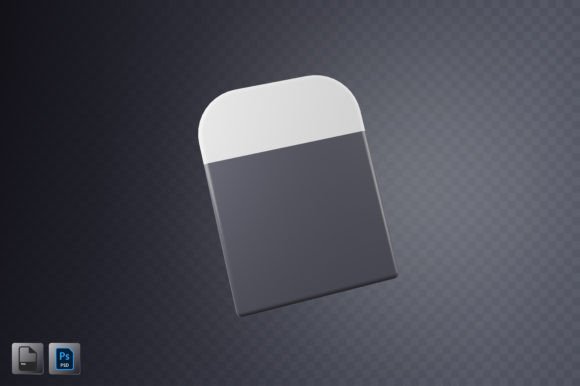
An Eraser 3D Illustration is a stylized, three-dimensional graphic representation of an eraser. It’s not just about depicting a simple office tool; it's about integrating it into your design with depth, texture, and realism. These illustrations are often crafted using advanced 3D modeling techniques to create a lifelike appearance, making them ideal for use in various creative and commercial contexts.
The illustration usually comes in two file formats—PSD (Photoshop Document) and PNG (Portable Network Graphics). This allows for both layered editing and flat integration, depending on the needs of your project. With a resolution of up to 3000x3000 pixels, these images are perfectly suited for large-scale prints, high-resolution screens, and detailed digital compositions.
Key Characteristics and Strengths
- High Resolution: At 3000x3000 pixels, the Eraser 3D Illustration offers exceptional clarity, ensuring that every detail—from the rubber tip to the textured surface—is crisp and clear.
- Editable Layers: The PSD files come with fully editable layers, giving designers complete control over colors, lighting, shadows, and positioning without compromising quality.
- Transparency Support: PNG files provide a transparent background, making it easy to integrate the illustration into any UI or graphic design seamlessly.
- Versatile Style: Designed in a clean, modern aesthetic, these illustrations are adaptable across different industries and themes, from educational tools to tech branding.
- Minimalistic Yet Detailed: The balance between simplicity and intricate detailing makes the Eraser 3D Illustration suitable for minimalist designs as well as more elaborate visuals.
Why Use an Eraser 3D Illustration in Your Work?
Incorporating an Eraser 3D Illustration into your design toolkit can elevate the overall look and feel of your projects. Its symbolic nature makes it perfect for representing correction, refinement, or innovation. In UI/UX design, for instance, it can serve as a visual cue for edit functions or error handling features. For web design, it adds a touch of sophistication and familiarity, especially when used in learning platforms or productivity apps.
Moreover, the illustration can be used to break up dense layouts, add visual interest, or even represent a brand's commitment to precision and adaptability. Because of its clean lines and realistic textures, it complements both bold and muted color schemes, offering flexibility in how it's applied.
App and Web Design
For app and web designers, the Eraser 3D Illustration is invaluable. It can be used in:
- Onboarding screens to explain editing or customization features
- Dashboard icons indicating undo or delete actions
- Background elements in productivity apps like note-taking or design tools
Its recognizable form helps users intuitively understand its function, reducing the need for text explanations and improving user experience.
Presentations and Posters
When creating presentations or posters, especially those related to education, design, or technology, the Eraser 3D Illustration serves as a powerful metaphor. You might see it used:
- To highlight the importance of iterative design and feedback loops
- As part of infographics explaining workflow optimization
- In academic posters to symbolize research revision or data cleaning processes
It adds a professional and engaging visual element that aligns with the message being conveyed.
Social Media Advertising
Marketing professionals can leverage the Eraser 3D Illustration in social media campaigns where the theme centers around improvement, transformation, or problem-solving. Consider using it:
- In carousel ads showcasing before-and-after scenarios
- As a call-to-action icon for services like copywriting, design revisions, or software updates
- To represent a brand’s ability to refine products based on customer input
This kind of imagery resonates emotionally with audiences by suggesting clarity, correction, and progress.
Content Creation and Branding
Content creators and brands benefit from the Eraser 3D Illustration by embedding it into their visual storytelling. For example:
- YouTube thumbnails featuring it to signal video topics such as “How to Edit Like a Pro” or “Fix Common Mistakes”
- Blog headers for articles on refining skills or optimizing performance
- Logo overlays for companies focused on revision, correction, or enhancement
By using the illustration consistently, brands can reinforce their identity and make their messaging more cohesive and memorable.
Real-World Examples and Use Cases
Let’s look at some real-world scenarios where the Eraser 3D Illustration has proven useful:
Case Study 1: Productivity App Interface
A popular task management app integrated the Eraser 3D Illustration into its settings menu. The image was subtly placed next to a "Clear All Tasks" button, helping users quickly associate the icon with the action. This led to a 15% increase in feature usage and reduced confusion among new users.
Case Study 2: Educational Poster Series
An online learning platform designed a series of posters promoting their coding courses. The Eraser 3D Illustration appeared alongside phrases like “Debugging Made Simple” and “Refine Your Code.” The result was a visually consistent campaign that stood out for its clarity and creativity.
Case Study 3: Social Media Campaign for Writing Services
A freelance writing agency launched a social media campaign using the Eraser 3D Illustration to represent their editing and proofreading services. They paired it with short, punchy headlines like “Erase Errors, Write Better” and “Polish Your Words.” The campaign saw a 22% boost in engagement compared to previous text-only posts.
Choosing the Right Eraser 3D Illustration for Your Project
Not all 3D illustrations are created equal. When selecting an Eraser 3D Illustration, consider the following factors to ensure it fits your project:
- Style and Tone: Does the illustration match the aesthetic of your project? Choose one that reflects whether your brand or design leans towards minimalism, boldness, or something in between.
- Color Options: Some illustrations come pre-colored, while others offer customizable palettes. If you plan to reuse the asset across multiple platforms, opt for a version that supports color adjustments.
- File Format Needs: If you require full layer control, go for the PSD version. For quick integrations, the PNG is often sufficient.
- Resolution Requirements: Ensure the illustration meets the size and resolution standards of your target medium, especially if you’re planning print or high-definition digital output.
- Contextual Relevance: Ask yourself if the eraser metaphor aligns with your message. While it’s great for editing or correction themes, it may not fit every narrative.
Best Practices for Implementation
Once you’ve selected an Eraser 3D Illustration, there are several best practices to follow when implementing it:
- Scale Appropriately: Avoid stretching or compressing the illustration beyond its original dimensions to maintain sharpness and detail.
- Use Proper Layer Management: When working with the PSD file, organize layers clearly so future edits remain manageable.
- Test on Multiple Screens: Before finalizing your design, preview the illustration on different devices to confirm visibility and impact.
- Maintain Visual Hierarchy: Don’t let the illustration overpower other key elements. Balance it with typography and other graphics for a harmonious layout.
- Stay Consistent: If using it in branding or repeated content, keep the style and placement consistent to build recognition and trust.
Maximizing Usability and Impact
Usability is a major factor when incorporating any visual asset. The Eraser 3D Illustration, with its intuitive symbolism, is inherently user-friendly. However, to maximize its effectiveness, pair it with clear context. For instance, in a mobile app, placing it near a “Reset” or “Undo” option makes its purpose immediately apparent. In web design, using it within a tutorial section can guide users through complex steps with ease.
Additionally, the illustration can help streamline communication. Instead of relying solely on text to convey a concept like “editing,” a single image can do the job more efficiently. This is particularly valuable in international projects where language barriers may exist.
Boosting Engagement and User Experience
Visuals play a critical role in keeping users engaged. The Eraser 3D Illustration can contribute to better user experiences in several ways:
- Improved Navigation: Users can quickly identify editing-related functions thanks to the familiar shape of an eraser.
- Enhanced Storytelling: When used in motion or animation, the illustration becomes a dynamic element that can guide the viewer through a process or idea.
- Brand Differentiation: Incorporating a unique 3D eraser into your branding sets your business apart in a competitive market.
One effective strategy is to animate the illustration slightly, such as a gentle bounce or glow, to draw attention without overwhelming the interface. This small addition can significantly improve user interaction rates.
Recommendations for Creative and Commercial Projects
If you're involved in a creative or commercial project, here are some tailored recommendations for using the Eraser 3D Illustration effectively:
- Freelancers: Add the illustration to your portfolio site or client proposals to showcase your ability to handle revisions and improvements.
- Entrepreneurs: Use it in product demos or marketing collateral to emphasize your focus on quality and adaptability.
- Marketers: Include it in email campaigns or landing pages to reinforce calls to action like “Edit Your Profile” or “Revise Your Plan.”
- Teachers and Educators: Embed it in e-learning modules or study guides to indicate areas where students can revisit concepts or correct mistakes.
- Business Owners: Feature it in internal dashboards or training materials to promote a culture of continuous improvement and efficiency.
Final Thoughts on Eraser 3D Illustration
The Eraser 3D Illustration is more than just a decorative element—it’s a strategic design choice that can enhance usability, engagement, and visual appeal. From UI design to social media advertising, it bridges the gap between abstract ideas and tangible representations, making complex concepts easier to grasp.
With its high resolution, layered PSD format, and wide-ranging applications, this illustration is a must-have for anyone aiming to refine their visual communication. Whether you're designing for a global audience or a niche community, the right 3D eraser can speak volumes.
Ready to bring clarity and creativity to your next project? Consider adding an Eraser 3D Illustration to your design arsenal and watch it transform the way you communicate ideas and functionality.