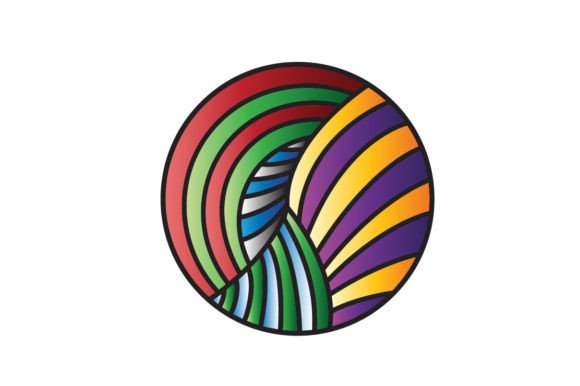
3D Circle Element Color Layer Illustration
The Circle Element Color Layer 3D Illustration is a modern and versatile design element that combines geometric shapes with layered color and three-dimensional effects. This visual style has become increasingly popular in both digital and print media due to its clean aesthetic, adaptability, and eye-catching appeal. Whether you're designing for a website, app, presentation, or branding material, understanding how this illustration works can open up new creative possibilities.
What Makes It Unique?
At its core, the circle element refers to a circular shape used as a building block in graphic design. The addition of multiple color layers gives it depth and dimension, while the 3D illustration component brings the whole concept to life with realistic lighting and shading effects. These features combine to create a visually engaging graphic that stands out without being overwhelming.
One key characteristic is the use of gradients and overlapping colors within the circle. This creates a dynamic look that can mimic real-world materials like glass, metal, or even organic textures. The 3D aspect adds volume, making the circles appear as if they’re floating or stacked in space. As a result, this design element feels modern and professional, fitting well into a variety of artistic and commercial applications.
Why Choose This Design Style?
Designers and creators are often drawn to the Circle Element Color Layer 3D Illu because of its flexibility and scalability. It’s especially useful in vector-based formats where crisp lines and smooth transitions between colors are essential. Unlike flat designs, which can sometimes feel static, the 3D version offers a sense of movement and realism that helps capture attention and convey sophistication.
This illustration style supports several common goals:
- Visual Hierarchy: By layering colors and using different depths, you can guide the viewer's eye through the design.
- Modern Aesthetic: Its sleek appearance aligns with current design trends, making it suitable for contemporary projects.
- Brand Identity: Customizing the colors and shapes allows for unique branding elements that reflect a company’s personality.
Beginner-Friendly Applications
If you're just starting out with graphic design or looking to enhance your current toolkit, here are some simple ways to use the Circle Element Color Layer Layer 3D Illu:
- Social Media Graphics: Use layered circles as backgrounds or buttons to add depth to posts or banners.
- Email Newsletter Headers: Incorporate them to highlight promotions or key messages in a visually appealing way.
- Website UI Elements: Apply them to navigation menus, icons, or call-to-action buttons for a polished touch.
- Infographics: Stack colorful circles to represent data points, categories, or progress indicators.
For example, a small business owner creating a landing page might use these elements to showcase product features in a vibrant and interactive format. A blogger could integrate them into headers or section dividers to break up content and maintain reader interest.
Where Can You Use It?
The 3D Circle Element Color Layer is highly adaptable and can be found in many contexts:
- Digital Marketing: Used in ads, banners, and promotional materials to stand out in a crowded online space.
- Interior Design: Applied to wall art, decorative prints, or home accessories to add a pop of modern flair.
- App & Web Design: Employed as loading animations, profile avatars, or decorative accents on interfaces.
- Educational Materials: Incorporated into slides, charts, or diagrams to simplify complex information.
In web design, for instance, you might see a series of floating colored circles representing different sections of a portfolio. In branding, a logo may feature a 3D circle with layered colors to symbolize unity, growth, or innovation.
Tools and Resources for Creating It
To work with the Circle Element Color Layer Layer 3D Illu, you’ll need access to design tools that support vector graphics and 3D rendering. Popular options include:
- Adobe Illustrator – Excellent for creating scalable vector illustrations with precise color controls.
- Inkscape – A free alternative that allows for detailed vector-based designs and 3D effects through plugins.
- Canva – Offers pre-made templates and drag-and-drop tools for beginners who want to experiment without coding or advanced software.
Many designers also use AI-powered tools or online generators to create basic versions of this illustration quickly. However, for more customization and control, learning the fundamentals of vector design and 3D modeling is beneficial.
Practical Tips for Getting Started
Here are a few tips to help you incorporate the Circle Element Color Layer Layer 3D Illu effectively:
- Keep It Simple: Start with one or two color layers and gradually build complexity. Overloading the design can reduce clarity.
- Use Contrast Wisely: Make sure the colors you choose complement each other and don’t clash. This enhances readability and aesthetics.
- Test on Different Screens: Since it’s often used in digital spaces, ensure it looks good across devices and resolutions.
- Pair with Minimalist Layouts: This design works best when surrounded by negative space or paired with clean typography.
Freelancers might find it particularly helpful when working with clients who want a fresh, modern look for their websites or logos. Educators can use it to make presentations more engaging for students. Even hobbyists can enjoy experimenting with this style in personal projects like greeting cards or social media bios.
Things to Consider Before Using It
While the Circle Element Color Layer Layer 3D Illu is powerful, it’s important to consider its limitations and appropriateness for each project:
- Project Context: Is this style appropriate for the tone of your brand or message? For serious or formal projects, it might not always be the best fit.
- File Size: High-quality 3D illustrations can increase file sizes, so optimize them for web or print accordingly.
- Color Accessibility: Ensure the chosen color combinations are accessible to people with visual impairments. Tools like Adobe Color can help test contrast ratios.
- Software Skills: If you're new to vector or 3D design, invest time in tutorials or courses to understand how to manipulate these elements effectively.
Entrepreneurs should also think about licensing when using such illustrations in commercial settings. Many platforms offer royalty-free assets, but always verify the usage rights before downloading.
Real-World Inspiration and Ideas
Looking at how others have used the Circle Element Color Layer Layer 3D Illu can spark new ideas. Here are a few examples:
- A fitness brand uses stacked, glowing circles in a logo to represent energy and motion.
- An educational platform employs animated circles in an infographic to explain stages of learning.
- A marketing agency integrates floating circles as background elements in their website header to draw focus to headlines.
These examples show how the same basic design can be tailored to meet specific needs. For marketers, the key is to balance creativity with clarity. Too much animation or color can distract from the main message, while too little may fail to engage the audience.
How to Enhance Your Designs with It
Adding the 3D Circle Element Color Layer doesn’t mean replacing all other design components. Instead, treat it as a supporting element that elevates the overall composition. Here are a few ways to do that:
- Combine with Typography: Use the circles to frame text or highlight key phrases in a layout.
- Create Depth: Play with shadows and perspective to give the illusion of space and separation between elements.
- Experiment with Animation: If you're working on digital projects, subtle hover effects or transitions can bring the circles to life.
- Mix with Other Shapes: Don’t limit yourself to circles only—pair them with triangles, squares, or abstract forms to add variety.
For educators or presenters, this technique can help illustrate concepts in a more digestible format. Imagine using layered circles to represent different layers of a process or system. It makes the information more memorable and visually stimulating.
Final Thoughts on Creative Possibilities
The Circle Element Color Layer Layer 3D Illu is more than just a trendy design—it’s a tool that can help you communicate ideas with clarity and style. Whether you're aiming to improve your website’s visuals, create a compelling logo, or simply explore new design techniques, this element provides a strong foundation to build upon.
As you begin to experiment with it, remember to stay true to your purpose. Let the design serve the message rather than overshadow it. With thoughtful application, the 3D Circle Element Color Layer can transform your projects into something truly remarkable.