Paper Tray Box Die Cut Template and 3D: A Practical Guide for Custom Box Creation
Creating custom boxes can be a powerful addition to your workflow, whether you're an entrepreneur packaging products, a hobbyist crafting personalized gifts, or a designer experimenting with new forms. The Paper Tray Box Die Cut Template and 3D tray box design offers a streamlined way to produce professional-looking paper boxes without the need for expensive equipment or advanced skills. This template is ideal for those who want flexibility in materials, colors, and designs while maintaining high-quality results.
Understanding the Paper Tray Box Die Cut Template and 3D Design
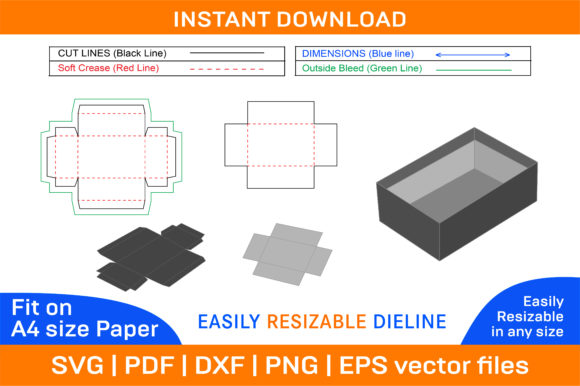
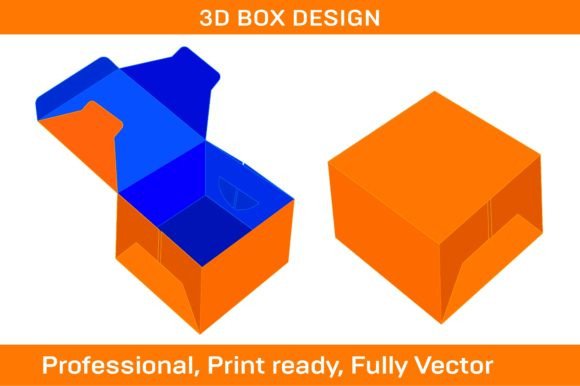
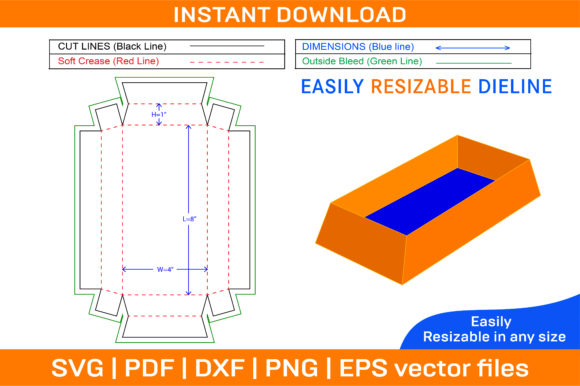
A die cut template is essentially a pre-designed pattern that allows you to cut out shapes from paper using a die-cutting machine or by hand. When combined with 3D elements, it becomes a tool for creating boxes that are not only functional but also visually engaging. The Paper Tray Box Die Cut Template and 3D includes all the necessary components to build a foldable box with a tray-style base—perfect for storing small items like stationery, jewelry, or promotional materials.
The design of the template ensures structural integrity while keeping assembly simple. Each file format included (SVG, PDF, EPS, DXF, AI, PNG) serves a specific purpose in the creation process. For instance, vector-based formats like SVG and AI allow for scaling without loss of quality, making them suitable for both personal and commercial use. The PNG files are great for visual references when planning your layout or for digital mockups before printing.
Preparation and Planning Before Use
Before diving into the project, it's essential to consider how the Paper Tray Box Die Cut Template and 3D fits into your overall workflow. Start by defining your objective: Are you making boxes for a product launch? Personalized gift sets? Or perhaps organizing your workspace more efficiently?
- Define your theme: Choose a color scheme or branding elements you'd like to incorporate. Since the template includes both color and blank versions, you can either start with a base or print on your preferred colored stock.
- Select appropriate tools: Ensure you have access to a printer capable of handling your chosen paper type and thickness. If using a die-cutting machine, verify compatibility with the provided file types such as SVG or DXF.
- Plan for customization: Think about where you’ll add images, logos, or text. Using a software like Adobe Illustrator or Silhouette Studio will give you full control over these details.
Proper preparation helps avoid unnecessary revisions and saves time later in the process. By aligning the template with your creative goals upfront, you ensure a smoother implementation phase.
Implementation and Workflow Integration
Once you’ve prepared your design, the next step is integrating the Paper Tray Box Die Cut Template and 3D into your production or craft workflow. Here’s how you can do it effectively:
- Download and organize your files: After purchase, the ZIP archive is available for instant download. Extract the contents and organize the different file types based on their intended use. Keep the color and blank templates in separate folders if working on multiple versions.
- Edit in compatible software: Open the AI or SVG files in Adobe Illustrator or Silhouette Studio. These programs allow you to modify dimensions, adjust folding lines, and apply custom graphics. If you’re using Photoshop, the PNG files can help visualize the final look before printing.
- Print and assemble: Print the edited design on A4 paper or any size of your choice. Because the files are vector-based, they maintain clarity regardless of scale. After cutting along the lines, follow the fold instructions carefully to ensure the box stands up properly and holds its shape.
This process is particularly efficient for creators who need to iterate quickly or produce multiple units. For example, a small business owner might use this template to create sample packaging for a product line before mass production. Educators could use it to teach students about design principles and practical applications in real-world scenarios.
Compatibility and Usability Across Tools
The Paper Tray Box Die Cut Template and 3D is designed with versatility in mind. It supports a range of software platforms including Adobe Illustrator, Photoshop, Silhouette Studio, Cricut Design Space, and AutoCAD. This compatibility makes it accessible to users across different industries and skill levels.
For graphic designers, the ability to import SVG and EPS files into vector editing software means seamless integration with existing projects. Marketers may appreciate the opportunity to brand the box with their company logo or campaign visuals, which can be easily overlaid onto the blank template.
It's also worth noting that the template is optimized for high-resolution printing at 300 dpi. Whether you're printing at home or sending the design to a professional printer, the clarity and precision remain consistent. This makes it suitable for both prototyping and final production.
Customization Tips and Creative Possibilities
One of the most valuable aspects of the Paper Tray Box Die Cut Template and 3D is the ability to customize. You’re not limited to the default color version; instead, you can print on any color paper to match your brand, event, or aesthetic preferences.
- Use double-sided printing: If your design includes elements on both sides, utilize double-sided printing capabilities to save time and reduce material usage.
- Incorporate textures and finishes: Experiment with textured paper, metallic inks, or embossing to enhance the tactile experience of the finished box.
- Add interactive elements: With a 3D component, think about adding flaps, inserts, or even mini-fold-out sections that engage the user beyond basic storage.
Freelancers and bloggers can leverage this template for DIY tutorials, offering readers a printable box design they can use for their own projects. Entrepreneurs can integrate it into product unboxing experiences, giving customers something memorable and reusable.
Efficiency and Consistency in Production
When producing multiple units, consistency is key. The Paper Tray Box Die Cut Template and 3D helps maintain uniformity across batches, which is crucial for branding and customer satisfaction. To improve efficiency:
- Batch print: Print several designs at once on large sheets to reduce setup time and minimize waste.
- Standardize assembly steps: Create a checklist or video guide showing how to fold and glue the box correctly each time.
- Test before mass production: Build a few prototypes first to check for alignment issues or adjustments needed in the design.
By treating the template as part of a structured process rather than a one-off task, you can significantly increase productivity. For instance, a publisher might use the template to create custom book display boxes, streamlining their merchandising efforts across stores or online marketplaces.
Quality Control and Long-Term Use
Maintaining quality throughout the lifecycle of your project requires attention to detail at every stage. When using the Paper Tray Box Die Cut Template and 3D, here are some observations to keep in mind:
- Material selection: While the template works well with standard A4 paper, heavier cardstock or specialty papers may offer better durability. Test different materials to see what best suits your needs.
- Printing settings: Always confirm that your printer is set to high-resolution mode (300 dpi) to preserve the sharpness of lines and text. Misaligned prints can lead to assembly issues.
- Storage and organization: Once assembled, store the boxes flat or folded to prevent warping. Labeling or categorizing them can make retrieval easier during future use.
Over time, you may find yourself refining the template further—adding unique features, optimizing dimensions for specific products, or even creating variations tailored to different markets. The adaptability of vector-based files ensures that these changes are easy to implement without compromising quality.
Real-World Applications and Use Cases
Here are some practical examples of how the Paper Tray Box Die Cut Template and 3D can be applied in various workflows:
- E-commerce packaging: Small businesses can use the template to create branded packaging for shipping orders. The foldable nature of the box makes it cost-effective and eco-friendly.
- Event planning: Wedding planners or event organizers might design custom favor boxes using the template, allowing guests to take home themed keepsakes.
- Office organization: Freelancers or remote workers can print and assemble boxes to store pens, sticky notes, or other supplies neatly.
- Education and workshops: Teachers can provide students with the printable template for hands-on learning activities related to geometry, art, or sustainability.
- Marketing and promotions: Marketers can include QR codes or product information directly on the box surfaces, turning it into an interactive marketing piece.
Each of these use cases demonstrates how the template isn’t just a static design—it’s a dynamic asset that can evolve with your needs and be repurposed creatively.
Getting Started Smoothly
If you're new to die-cutting or 3D box design, start by exploring the included files. Begin with the blank template and experiment with colors and images before moving on to the color version. Familiarize yourself with the folding instructions and test the assembly process on a single unit before scaling up.
Consider collaborating with colleagues or fellow creators to share ideas and refine your approach. The Paper Tray Box Die Cut Template and 3D is a collaborative tool at heart, and exchanging feedback can lead to innovative uses you hadn’t considered.
Support and Troubleshooting
While the template is designed for ease of use, occasional questions or issues may arise. Fortunately, the creator provides support to help resolve problems with file formats, scaling, or compatibility. If you encounter difficulties opening or adjusting the template in your preferred software, don't hesitate to reach out via email or through the platform where you made the purchase.
Common issues often relate to file orientation or bleed areas, especially when preparing for print. Taking a moment to review the template guidelines and ensuring proper margins can prevent many of these challenges.
Conclusion
The Paper Tray Box Die Cut Template and 3D is more than just a downloadable file—it’s a foundation for creativity and functionality. By understanding its structure, planning your design goals, and integrating it into your workflow thoughtfully, you can unlock a wide range of possibilities. From branding and packaging to education and organization, this versatile template empowers you to bring your ideas to life with minimal effort and maximum impact.
Whether you're looking to streamline your production process or simply enjoy the satisfaction of building something by hand, the Paper Tray Box Die Cut Template and 3D offers a reliable, customizable solution. As you move forward, let the template serve as a starting point rather than a limitation—customizing it to reflect your unique style and purpose.