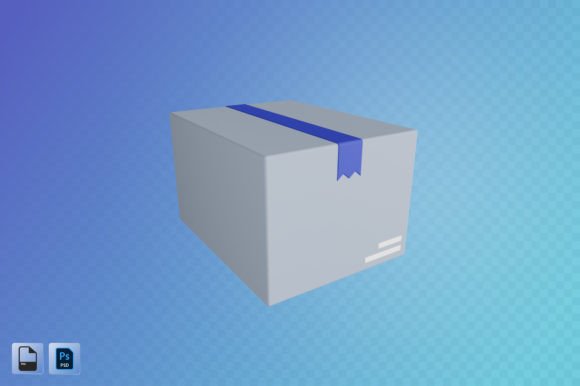
Documents 3D Illustration: A Modern Design Asset
In the ever-evolving world of design, visual elements must not only capture attention but also communicate professionalism and creativity. Documents 3D Illustration is a high-quality digital asset that stands out for its versatility and modern aesthetic. Whether you're crafting UI elements, designing app interfaces, or preparing content for social media advertising, this 3D illustration brings depth and clarity to your projects.
Elevating Visual Projects with Documents 3D Illustration
The Documents 3D Illustration is more than just a graphic—it's a powerful design tool that adds dimension and realism. Its clean lines, subtle textures, and layered composition give it a contemporary feel that aligns well with modern typography trends. The illustration mimics physical documents in a digital space, making it ideal for representing concepts like contracts, reports, resumes, and creative briefs in a visually appealing way.
What sets this illustration apart is its ability to blend seamlessly into various contexts without overpowering other design elements. It has a neutral personality yet carries enough detail to spark interest and convey sophistication. This balance makes it a favorite among designers working on both digital and print materials.
Applications Across Industries
Designers often turn to Documents 3D Illustration when they need to represent data or ideas visually without relying solely on text. Here are some key areas where it shines:
- UI/UX Design: Perfect for mockups involving document-based apps or file management systems.
- Web Design: Adds visual interest to landing pages, especially those focused on productivity, education, or legal services.
- Presentations and Posters: Offers a dynamic element to highlight information, proposals, or educational content.
- Social Media Advertising: Works well as part of a branded post or infographic-style ad, helping to guide the viewer’s eye toward important messages.
- Content Creation: Ideal for bloggers and publishers who want to add a touch of professionalism and modernity to their visuals.
Why Choose Documents 3D Illustration for Your Brand?
When building a brand identity, consistency and visual appeal are crucial. The Documents 3D Illustration complements a wide range of typefaces—whether you're using a sleek sans serif font for a tech startup or a classic serif font for a publishing company. Its structured form can even pair well with more expressive script fonts, providing contrast and balance in your layouts.
This illustration enhances visual hierarchy by drawing focus to document-centric themes. In editorial design, for example, it can serve as a header image or section divider, subtly reinforcing the idea of content and structure. For packaging design, it adds a professional layer to product boxes or informational brochures.
Using a premium-quality design asset like Documents 3D Illustration also contributes to the overall professionalism of your work. Clients and audiences tend to associate high-resolution, well-crafted visuals with trustworthiness and quality. With a resolution of 2000x2000 px, it ensures crisp rendering across all platforms, from mobile screens to large-format prints.
Practical Tips for Using the Illustration
To get the most out of Documents 3D Illustration, consider these practical guidelines:
- Evaluate Project Fit: Ask yourself if the illustration supports the message or theme of your project. It works best when used to emphasize documentation, knowledge, or digital interaction.
- Test Font Pairings: If your layout includes text, experiment with different font pairings to ensure harmony. Try combining it with a minimalist sans serif for a modern look or a decorative script for a more artistic vibe.
- Review Included Styles: The PSD and PNG files offer flexibility. Use the PSD version to adjust layers, colors, or effects for a custom fit within your design assets. PNG files provide transparency for easy integration into backgrounds.
- Consider Readability: While the illustration itself is not a font, it often accompanies text-heavy designs. Make sure it doesn’t interfere with legibility, especially in editorial or web design contexts.
- Check Commercial Licensing: Always verify licensing terms before using any commercial font or design asset in paid projects. This helps maintain legal compliance and protects your brand reputation.
Real-World Examples and Design Observations
Many successful brands and freelancers have integrated Documents 3D Illustration into their workflows. One notable example is an e-learning platform that used the illustration in a series of promotional posters. By placing the 3D document at the center, they immediately conveyed the message of “learning through structured content.” The result was a cohesive look that resonated with educators and students alike.
In another case, a digital marketing agency incorporated the illustration into a set of social media graphics for a client offering legal services. The visual helped break up dense copy while maintaining a professional tone. Viewers were drawn to the imagery, which led to higher engagement rates and better click-through performance.
For small business owners or hobbyists, this illustration serves as a cost-effective alternative to hiring an illustrator. It allows you to create polished designs quickly, whether you’re updating your website or preparing a presentation for investors. The included design assets make it easy to adapt the illustration to match your color scheme or branding guidelines.
Creating Consistency in Brand Perception
Consistency is key in brand identity. When used repeatedly across materials such as logo design, email templates, or infographics, the Documents 3D Illustration becomes a recognizable symbol associated with your brand’s values. For instance, a content creator who frequently shares writing tips might use the illustration in blog headers and YouTube thumbnails to build a visual signature that viewers come to expect.
This kind of repetition strengthens audience recognition and trust. Over time, users begin to associate the illustration with the quality and reliability of your content or products. As a result, your brand perception improves, leading to greater engagement and loyalty.
How to Integrate Documents 3D Illustration into Your Workflow
Getting started with Documents 3D Illustration is straightforward. First, assess the purpose of your project. Is it a corporate brochure? A mobile app screen? Or a social media campaign aimed at entrepreneurs? Once you’ve defined the context, place the illustration in a position where it enhances the narrative rather than distracts from it.
Here’s a quick checklist to help you integrate it effectively:
- Determine the illustration’s role (e.g., background element, focal point, or icon).
- Select a complementary typeface that maintains readability and visual harmony.
- Adjust the illustration’s size and placement to support your editorial design goals.
- Use the PSD file to tweak individual layers for a personalized touch.
- Export in appropriate formats depending on whether it’s for digital or print use.
Design Recommendations for Maximum Impact
While the illustration is highly adaptable, here are some recommendations based on real-world usage:
- Minimalist Layouts: Use the illustration sparingly to avoid clutter. Let negative space work in your favor.
- High-Contrast Themes: Place the illustration against a solid background to enhance its visibility and impact.
- Color Coordination: Adjust the illustration’s colors to match your brand palette for a unified look.
- Layered Designs: Combine it with flat icons or vector graphics for a rich, multidimensional aesthetic.
- Mobile Optimization: Test how the illustration appears on smaller screens. Simplify if needed to maintain clarity.
One designer shared that adding the Documents 3D Illustration to their portfolio site made the design feel more interactive and less static. It helped them stand out among competitors who relied on traditional photography or flat vector art.
A Flexible Tool for Creative Professionals
As a creative font companion or standalone visual element, the Documents 3D Illustration offers immense value. It can be scaled down for subtle accents in app UI design or blown up for dramatic effect in posters and presentations. Because it’s designed to look realistic yet stylized, it adapts well to both digital and print environments.
Entrepreneurs and marketers will find it especially useful for explaining complex processes in a simple, visual way. For instance, when showcasing a new project management tool, placing the illustration next to a headline like “Streamline Your Workflows” can instantly clarify the product’s purpose.
Additionally, the illustration’s availability in multiple formats means it fits neatly into existing design systems. You can easily incorporate it into Adobe Photoshop, Illustrator, or Figma without compromising quality. This makes it a go-to choice for teams working collaboratively on design assets.
Final Thoughts on Documents 3D Illustration
Ultimately, the Documents 3D Illustration is more than just a visual enhancement—it’s a strategic design choice. Its realistic style, combined with modern simplicity, makes it suitable for a broad spectrum of applications. From small personal projects to large-scale commercial campaigns, it provides a professional edge that elevates your output.
If you're looking to strengthen your brand identity or improve the visual storytelling of your next project, consider integrating this illustration. It’s a subtle yet impactful way to show that your content is valuable, organized, and worth engaging with.
Remember, great design is about solving problems and communicating clearly. Documents 3D Illustration does both.