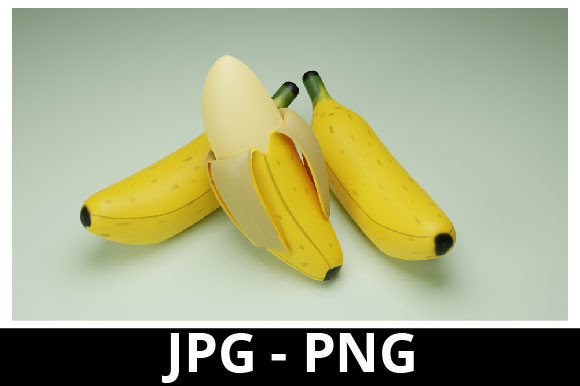
3D Rendered Banana for Design Project: Enhancing Visuals with Realistic Fruit Assets
In the world of digital design, high-quality visual assets can make or break a project. Whether you're working on food packaging, creating e-commerce product shots, or developing content for health and nutrition campaigns, the right imagery is essential. A 3D rendered banana offers a versatile and realistic solution that fits a wide range of creative needs. With its vibrant colors, detailed textures, and lifelike appearance, a 3D banana can elevate your design work while saving time and resources.
What Is a 3D Rendered Banana?
A 3D rendered banana is a digitally created representation of a real-life banana using three-dimensional modeling techniques. These models are typically crafted using specialized software such as Blender, Maya, or Cinema 4D and then rendered into image formats like JPG and PNG for use in various design projects. The result is an ultra-realistic fruit asset that looks fresh, tasty, and true to life.
Such bananas can be found in different states — ripe, green, peeled, or grouped with other fruits — and often include close-up details like the peel texture, natural curvature, and subtle shadows that add depth. This level of realism makes them ideal for any project where authenticity matters, especially when photographing actual fruit isn't feasible.
Challenges Solved by Using a 3D Rendered Banana
Designers often face challenges when sourcing visuals for their projects. For example:
- Limited access to props: Fresh produce can be difficult to source consistently, especially if you need specific variations (like a perfectly isolated yellow banana or a group of tropical fruits).
- Time-consuming photography: Lighting, staging, and editing real fruit images requires considerable effort and skill, which not all teams may have.
- Control over quality and detail: A 3D model allows designers to tweak every aspect of the banana — from its ripeness to its background — without compromising on quality.
- Budget constraints: Hiring photographers or buying multiple bananas just to get one perfect shot can quickly eat into your project budget.
By incorporating a 3D rendered banana into your workflow, you eliminate these hurdles and gain access to a customizable, scalable resource that adapts to your project’s unique requirements.
How a 3D Rendered Banana Can Help Your Design Goals
The goal of many design projects is to communicate value clearly and effectively. When it comes to showcasing food items like bananas, the visual must reflect both freshness and nutrition. A 3D banana achieves this by providing an accurate depiction of its shape, color, and surface details, making it appear delicious and healthy at the same time.
For instance, if you're designing promotional materials for a health-conscious brand, a 3D render of a ripe, organic banana can visually reinforce messages about vitamins, antioxidants, and a nutritious diet. Similarly, if you’re building a website for a tropical resort or juice bar, including a yummy-looking banana can evoke a sense of flavor and natural goodness without needing physical samples.
Practical Applications of 3D Rendered Bananas
Here are some common scenarios where a 3D rendered banana for design project can be incredibly useful:
- Food Packaging and Branding: Use the banana to illustrate products like smoothies, snacks, or supplements. Its realistic look ensures your branding feels authentic and appetizing.
- E-Commerce Product Images: Present your bananas or banana-based products in high-resolution, well-lit settings that highlight their sweet, nutritious qualities.
- Infographics and Educational Content: Include a 3D banana to explain nutritional facts, dietary benefits, or even the science behind ripening.
- App and Web UI Design: Add a fruity element to your interface without cluttering it with unnecessary elements. A clean, isolated banana works well for icons or decorative touches.
- Print Media and Advertising: From posters to brochures, a 3D banana adds visual appeal while maintaining clarity and professionalism.
Each application benefits from the flexibility and realism provided by 3D rendering. Unlike stock photos, which might lack consistency or context, a 3D banana can be adjusted to fit any background, lighting condition, or compositional style.
Why Choose a ZIP Folder with Multiple Banana Renders?
Many designers opt for a comprehensive package when downloading 3D renders. A ZIP folder containing various banana images — such as JPG and PNG files of isolated bananas, groups of fruits, and closeups — gives you everything you need in one place. This approach is particularly helpful for projects that require multiple versions of the same object, ensuring visual continuity across all platforms.
Having options like green bananas, ripe bananas, or peeled bananas means you can accurately represent different stages of freshness or prepare for seasonal marketing themes. Additionally, including both transparent PNG and opaque JPG formats gives you control over how the banana integrates into your design, whether it's placed against a white background or layered into a complex scene.
Real-World Examples and Recommendations
Consider the following examples of how a 3D rendered banana could enhance your work:
- Health App UI: Use a closeup of a realistic banana to represent healthy eating habits or track vitamin intake.
- Restaurant Menu Design: Feature a 3D banana in a breakfast section to promote fresh, tropical, and nutritious meal options.
- Recipe Blog Illustration: Showcase a banana split into pieces or whole, depending on the recipe being highlighted.
- Product Mockups: Integrate the banana into mockups of snack boxes, bowls, or smoothie cups for pre-launch presentations.
When choosing a 3D banana asset, consider the following recommendations:
- Select a pack that includes multiple angles and lighting setups to suit different compositions.
- Ensure the render has high resolution and clear details, especially if it will be used in print media.
- Opt for transparent PNGs if you plan to overlay the banana onto custom backgrounds or animations.
- Look for assets labeled "realistic" or "nutritious," as these are more likely to meet professional standards.
Who Might Need a 3D Rendered Banana?
While graphic designers are the most obvious users of 3D fruit assets, others also benefit from them:
- Marketing professionals: They need eye-catching visuals that align with brand messaging and consumer expectations around health and taste.
- Web developers: A 3D banana can serve as a placeholder or a core element in interactive food-related web applications.
- Content creators: Social media influencers and bloggers often rely on engaging, high-quality images to capture attention and convey lifestyle choices.
- Print designers: Brochure layouts, flyers, and magazine spreads for organic food stores or fitness centers can use 3D bananas to maintain consistent, professional visuals.
Depending on their role, each user might prioritize different aspects of the banana render. A marketer may focus on the tropical aesthetic and freshness, while a developer might care more about file size and compatibility with their platform.
Useful Considerations for Implementation
To make the most of a 3D rendered banana for design project, keep the following tips in mind:
- Match the tone of your project: If your design is minimalist, choose a clean, isolated banana. For more dynamic scenes, a grouped version with other fruits might work better.
- Test in different contexts: Before finalizing, try placing the banana in your intended layout to ensure it blends naturally with fonts, colors, and other elements.
- Stay consistent with your brand guidelines: Use the same banana render across all related materials to build a cohesive visual identity.
- Consider licensing and usage rights: Make sure the 3D render package you choose allows for commercial use if needed.
Additionally, remember that while 3D models offer incredible realism, they should still be edited and styled to match your overall design theme. Adjustments like scaling, positioning, and applying filters can help integrate the banana seamlessly into your composition.
Conclusion
A 3D rendered banana is much more than just a digital fruit. It’s a powerful tool for designers aiming to create compelling, realistic visuals that resonate with audiences. Whether you're highlighting the sweetness of nature, promoting a healthy lifestyle, or simply looking for a fresh way to enhance your design project, a well-crafted 3D banana provides endless possibilities.
By leveraging a ZIP folder that includes JPG, PNG, and multiple banana variations — isolated, ripe, nutritious, and more — you equip yourself with a valuable resource that supports creativity, efficiency, and quality. As design trends continue to favor realism and natural aesthetics, having access to a 3D render of a banana can give your work the edge it needs to stand out in a competitive market.